Why a Cover Letter Matters
In the competitive world of job applications, your resume often gets the first glance, but your cover letter is your opportunity to truly shine. It’s your chance to go beyond a list of skills and experience, providing context, personality, and a compelling narrative that grabs the hiring manager’s attention. A well-crafted cover letter significantly increases your chances of landing an interview because it demonstrates your genuine interest in the role and the company. It showcases your communication skills, critical for most positions, and allows you to explain any gaps in your resume or highlight unique qualifications that set you apart from other candidates. Ignoring a cover letter, or submitting a generic one, is a missed opportunity to make a strong first impression and distinguish yourself in the application process. A tailored cover letter shows you’ve done your research and are serious about the position.
Elements of a Great Cover Letter
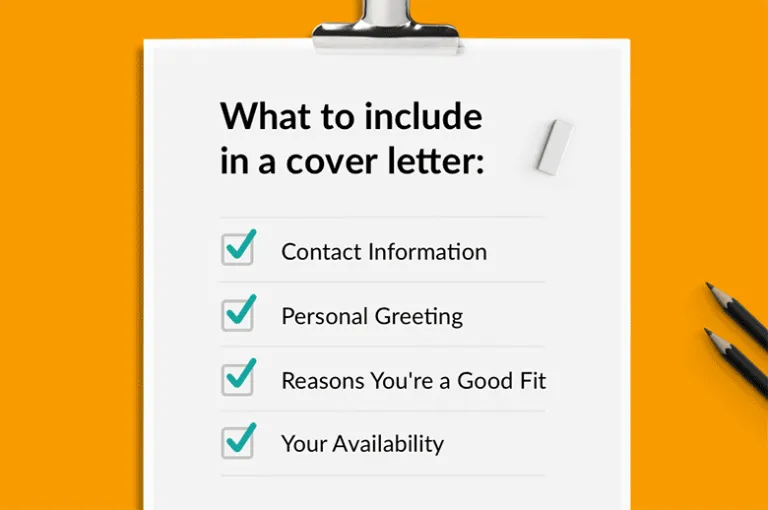
A great cover letter isn’t just a formality; it’s a strategic tool. Begin with a strong, personalized greeting, addressing the hiring manager by name whenever possible. This shows initiative and attention to detail. The opening paragraph should immediately capture the reader’s interest, stating the position you’re applying for and briefly highlighting what makes you a strong candidate. The body of the letter should then elaborate on your skills and experiences, illustrating how they align with the job requirements. Use specific examples to demonstrate your achievements and quantify your impact whenever possible. Showcasing your accomplishments with concrete data is always more effective. Maintain a professional yet engaging tone, reflecting your personality and enthusiasm for the opportunity. Finally, conclude with a call to action, reiterating your interest and suggesting a follow-up, expressing your eagerness to discuss your qualifications further.
Personalizing Your Cover Letter

One size does not fit all when it comes to cover letters. Generic cover letters are easily spotted and often discarded. To make yours stand out, customize it for each job application. Research the company and the specific role; understanding their values, mission, and needs allows you to tailor your letter accordingly. Mention specific aspects of the job description and how your skills and experiences directly address those requirements. Reference the company’s recent projects, news, or values to show that you’ve done your homework and are genuinely interested in the organization. This level of personalization demonstrates that you’re not just sending out a mass application but are truly invested in the opportunity. By tailoring your letter to each specific application, you significantly increase your chances of catching the hiring manager’s attention and securing an interview.
Highlighting Your Skills and Achievements
Your cover letter is your chance to showcase your value proposition. Don’t just list your skills; demonstrate them through specific examples. Use the STAR method (Situation, Task, Action, Result) to provide context, describe the challenges you faced, explain the actions you took, and highlight the positive outcomes. For example, instead of saying “Managed social media accounts,” describe a time when you increased engagement by a certain percentage or expanded the reach of a campaign. Quantify your achievements whenever possible; numbers speak volumes. Showcasing the positive impact you’ve made in previous roles provides concrete evidence of your capabilities. By focusing on your achievements and demonstrating how you can solve problems and contribute to the company’s success, you make a compelling case for why you’re the right candidate.
Formatting Your Cover Letter for Impact
The visual presentation of your cover letter is just as important as the content. Choose a professional and easy-to-read font like Arial, Calibri, or Times New Roman. Keep the font size between 10 and 12 points. Use clear headings, bullet points, and ample white space to break up the text and make it more readable. Maintain a consistent style throughout the document. Ensure your letter is properly formatted to align with standard business letter guidelines. Include your contact information at the top, and ensure your letter is well-organized with clear paragraphs and concise language. A well-formatted cover letter demonstrates professionalism and attention to detail, making a positive impression on the hiring manager.
Proofreading and Editing Your Cover Letter

Before submitting your cover letter, proofreading and editing are essential steps. Errors in grammar, spelling, or punctuation can create a negative impression and undermine your credibility. Read your letter aloud to catch any awkward phrasing or mistakes. Use a grammar and spell checker, but don’t rely on it entirely; it’s always a good idea to have a second pair of eyes review your letter. Ask a friend, family member, or career counselor to proofread your letter to catch any errors you might have missed. Ensure the language is clear, concise, and free of jargon. Pay attention to the tone, making sure it’s professional and appropriate for the role and the company. Taking the time to proofread and edit your cover letter demonstrates your commitment to detail and professionalism.
Key Takeaways for a Winning Cover Letter
Crafting a winning cover letter takes effort, but the payoff can be significant. Always personalize your letter to each job application, highlighting your relevant skills and achievements. Use the STAR method to demonstrate your accomplishments with specific examples and quantifiable results. Format your letter for readability and proofread it carefully for any errors. Remember that a strong cover letter is a crucial element of your job application, showcasing your personality, enthusiasm, and why you are the best fit for the role. By following these tips, you’ll be well on your way to crafting a cover letter that gets you noticed and lands you your dream job.