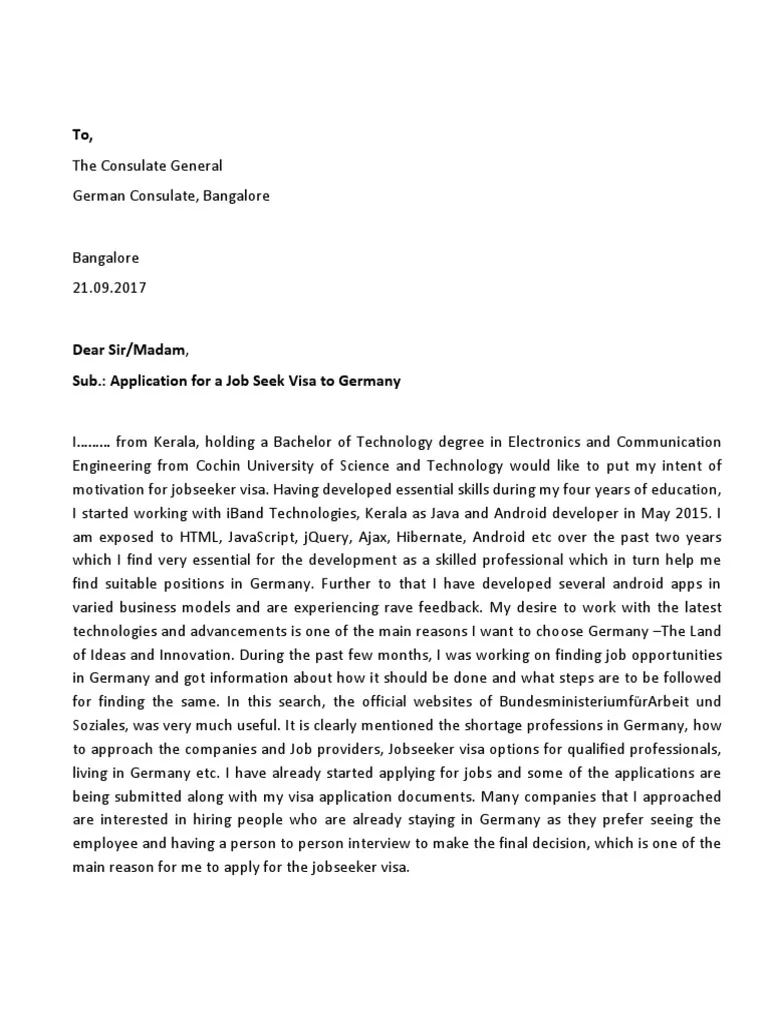
Applying for jobs in Germany can be an exciting prospect, opening doors to a dynamic job market and a rich cultural experience. A crucial element of a successful application is a well-crafted cover letter, known as the ‘Anschreiben.’ Unlike cover letters in some other countries, the German version requires a specific approach. This guide will provide a comprehensive overview of how to write a compelling cover letter that will impress German employers and significantly increase your chances of landing an interview. We’ll explore key components, essential formatting tips, and common pitfalls to avoid, ensuring your application stands out. Understanding these nuances is critical to effectively communicating your qualifications and enthusiasm for the role.
Understanding the German Job Market
The German job market is characterized by its emphasis on thoroughness, precision, and professionalism. Employers value directness and clarity in their communication. Therefore, your cover letter should reflect these values, showcasing your ability to communicate effectively and concisely. The German job market also places a high value on qualifications and experience, so your cover letter should clearly demonstrate how your skills align with the requirements of the position. Moreover, cultural sensitivity plays a significant role. Demonstrating an understanding of German business culture and showing respect for its norms will positively impact your application. Familiarizing yourself with these key aspects is crucial for success.
Key Differences German Cover Letters
Compared to cover letters in other countries, German cover letters tend to be more formal and structured. They require a more direct and concise approach, focusing on why you are a good fit for the role and the company. While creativity and individuality are valued, the emphasis is on conveying your qualifications and motivation clearly and respectfully. Therefore, it is crucial to research the specific company and tailor your cover letter accordingly. This demonstrates that you have taken the time to understand their needs. The tone should be professional but not overly enthusiastic or informal. Maintaining a balance is essential for effective communication in the German context.
Focus on the ‘Why’

German employers want to know why you’re interested in the specific role and the company. This section is where you articulate your genuine interest, connecting your skills and experience to the company’s needs and values. It’s crucial to go beyond simply stating you meet the requirements and explain why you are passionate about the opportunity. Show how your career goals align with the company’s mission. Demonstrating a proactive approach, like researching the company’s recent projects or initiatives, can significantly enhance your application. This approach shows you are dedicated and have a genuine interest in the organization and the role itself.
Tailoring to the Company
A generic cover letter won’t make a good impression. The best German cover letters are tailored to the specific company and position. Research the company’s website, values, and recent news to understand their culture and priorities. Then, align your skills and experiences with their specific needs, demonstrating that you understand what they are looking for. Refer to specific projects, initiatives, or values mentioned by the company. This shows you’ve taken the time to understand them. This personalized approach is highly valued in the German job market, signaling that you’re genuinely interested in the opportunity and have the potential to be a good fit for the team.
Essential Components of a German Cover Letter
A well-structured German cover letter includes specific components that clearly convey your qualifications, motivation, and fit for the role. Each element contributes to the overall effectiveness of your application. By including all necessary components and organizing them logically, you show professionalism and attention to detail, which are highly valued in the German job market. From a formal salutation to a clear call to action, each component serves a specific purpose, and a cohesive application can make a positive impact on potential employers. Proper structure and thoughtful composition are essential to a successful cover letter.
The Anschreiben

The ‘Anschreiben’ is the German term for the cover letter. It should be concise and clearly communicate your qualifications, motivation, and interest in the position. Its purpose is to introduce yourself and your skills, emphasizing how you can contribute to the company. It also provides a brief overview of your relevant experience and achievements, demonstrating your potential value to the employer. The Anschreiben should provide a compelling narrative that sets you apart from other applicants and encourages the reader to review your resume in more detail. A strong Anschreiben is essential for making a positive first impression.
Formal Salutation and Introduction
Start with a formal salutation, such as ‘Sehr geehrte/r Herr/Frau [Surname],’ if you know the name of the hiring manager. If you don’t, use ‘Sehr geehrte Damen und Herren.’ Your introduction should be brief but compelling. State the position you’re applying for and how you learned about it. Then, briefly mention your key qualifications and your main reason for applying. Avoid generic phrases and focus on highlighting what makes you a strong candidate. The goal is to capture the reader’s attention quickly and set the stage for the rest of the letter, showcasing your interest and qualifications for the role.
Highlighting Your Skills and Experience
In the main body of your cover letter, clearly explain how your skills and experience align with the job requirements. Focus on the most relevant qualifications and achievements. Use action verbs to describe your accomplishments and provide specific examples. Instead of simply listing your responsibilities, explain how your actions led to positive outcomes. Quantify your achievements whenever possible, such as by mentioning the percentage increase in sales or the number of projects you successfully managed. This level of detail demonstrates your ability to make a tangible contribution to the company.
Quantifiable Achievements

Quantifying your achievements is crucial. Whenever possible, include specific numbers and metrics to illustrate the impact of your work. For example, instead of saying you ‘improved customer satisfaction,’ say you ‘increased customer satisfaction by 15% within six months.’ This concrete evidence helps the employer understand your accomplishments and provides a clear picture of your capabilities. Using numbers demonstrates that you can be measurable and results-driven. It adds credibility to your claims and makes your application more compelling.
Soft Skills and Cultural Fit
While technical skills are important, don’t neglect to mention your soft skills, such as communication, teamwork, and problem-solving. Show how these skills contribute to your ability to succeed in the role. Demonstrating that you are a good fit for the company culture is essential. Research the company’s values and mission, and then highlight how your values align with theirs. This shows that you have considered the company’s culture and are likely to work well with the team. Being aware of German business culture is essential as well; showing respect for their values can boost your application.
Expressing Your Motivation
Clearly state your motivation for applying to the position and the company. Explain why you’re interested in the role and what you hope to achieve. Connect your career goals with the company’s mission, and show how the position aligns with your long-term aspirations. Showing a genuine interest demonstrates your commitment. Mentioning how you can contribute to the company’s success will show that you are not just looking for a job but are genuinely interested in adding value. This level of detail shows that you have thoughtfully considered the opportunity and are committed to succeeding.
Closing and Call to Action

In your closing paragraph, reiterate your interest in the position and express your willingness to attend an interview. Thank the reader for their time and consideration. Include a polite closing, such as ‘Mit freundlichen Grüßen’ (Sincerely) followed by your full name. Make sure that you include your contact information, including your phone number and email address, so that the hiring manager can reach you easily. A clear call to action shows that you are proactive, and a professional close conveys respect and courtesy.
Common Mistakes to Avoid
Avoiding common mistakes can significantly improve the quality of your German cover letter and increase your chances of success. Paying attention to details, such as grammar, formatting, and tailoring your application, can prevent your application from being immediately rejected. The following are some of the most common mistakes that can make your application less appealing to German employers. Knowing and avoiding these errors shows professionalism and attention to detail.
Grammar and Spelling Errors
Grammar and spelling errors can create a negative impression and undermine your credibility. Proofread your cover letter carefully to ensure it is free of mistakes. Use a spell-checker and grammar-checker, and ideally, have a native German speaker review your letter before submitting it. Poor grammar or spelling errors can suggest a lack of attention to detail, which is a crucial requirement in Germany’s professional context. These errors can easily lead to an application being rejected outright, no matter the level of your qualifications.
Generic Cover Letters

Avoid using a generic cover letter that could be sent to any company. Customize your cover letter to the specific position and company to show your genuine interest and understanding of their needs. Generic letters demonstrate a lack of interest and can suggest that you haven’t put in the time and effort needed to tailor your application. Research the company, align your skills with their requirements, and highlight how you can contribute to their success. A customized approach is essential for making a strong impression.
Ignoring Company Culture
German companies often have a distinct culture. Make sure your cover letter reflects an understanding of the company’s values and mission. Research the company’s website, social media profiles, and news to gather information about their culture. Tailor your language and tone to align with their communication style. Ignoring this can indicate a lack of interest and potential incompatibility with the company. It is important to convey respect for the organization’s culture. Understanding the company’s culture is as important as your skills.
Formatting and Layout Tips
The formatting and layout of your German cover letter should be professional and easy to read. Well-formatted documents are much more effective in communicating your information clearly. These formatting tips will help you to make the most of your cover letter. Proper formatting shows respect for the employer and highlights your attention to detail. A clean and well-organized layout can significantly enhance the overall impact of your cover letter, leading to a more positive perception.
Font and Readability

Choose a professional and easy-to-read font, such as Times New Roman, Arial, or Calibri, with a font size of 11 or 12 points. Avoid using overly decorative or unusual fonts, which can make your letter difficult to read. The text should be clear and easily readable. Using the right font and size shows professionalism and respect for the reader’s time. Making your cover letter easy to read is essential for effective communication.
Page Margins and Length
Maintain standard page margins of 1 inch (2.54 cm) on all sides. Keep your cover letter concise, ideally no longer than one page. Long cover letters may be perceived as wordy or unfocused. Ensure you can convey all the necessary information within the recommended page limit. Being able to succinctly explain your value makes the reader appreciate your time-saving efforts. A short, well-written cover letter indicates that you respect the employer’s time and can effectively communicate your points.
Proofreading
Proofread your cover letter carefully for any errors in grammar, spelling, and punctuation. It is also essential to check your formatting, ensuring that the layout is consistent and easy to read. Have a second pair of eyes review your letter before submitting it. You might ask a native speaker to review it for grammatical accuracy and the natural flow of the language. Proofreading can often be the key difference between a successful and unsuccessful job application. A polished cover letter shows professionalism, attention to detail, and respect for the employer.
Resources and Further Reading
Numerous online resources and books offer valuable insights into writing effective cover letters in Germany. Websites like the German Federal Employment Agency (Bundesagentur für Arbeit) and job boards like StepStone and Indeed provide templates, tips, and examples. Books on German job applications and career advice often provide comprehensive guidance, including detailed instructions on writing Anschreiben. Using these resources can provide further insight into effective practices, increasing your chances of success. Researching these resources can help you create a well-crafted, professional cover letter.
In conclusion, mastering the art of writing a German cover letter is a crucial step in your job search journey. By understanding the unique requirements of the German job market, tailoring your cover letter to each position, and avoiding common mistakes, you can significantly increase your chances of securing an interview. Remember to emphasize your skills, express your motivation, and always proofread your work carefully. With the right approach, you can create a compelling cover letter that effectively communicates your value and opens doors to exciting opportunities in Germany.