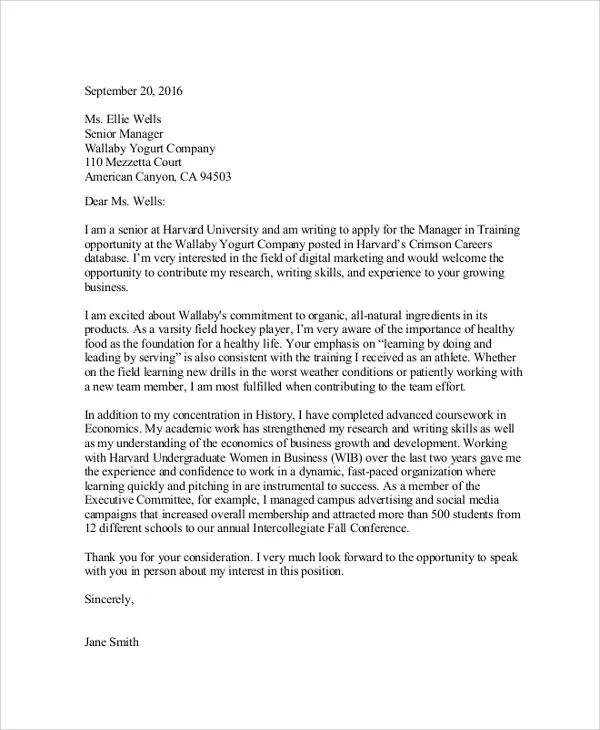
Cover Letter Basics
A cover letter is a crucial part of your job application. It’s your chance to make a strong first impression, showcase your personality, and highlight why you’re the perfect fit for the role. This guide, with its 101 tips, will walk you through every step of creating a compelling cover letter and resume. It’s a key tool that will greatly increase your chances of landing an interview. Don’t underestimate the power of a well-crafted cover letter; it can set you apart from other applicants and demonstrate your genuine interest in the position.
Purpose of a Cover Letter
The primary goal of a cover letter is to persuade the hiring manager that you’re a strong candidate and that your skills and experience align with the job requirements. A well-written letter explains your enthusiasm for the company, your interest in the role, and what makes you uniquely qualified. It provides an opportunity to elaborate on your achievements, explain any gaps in your employment history (if any), and showcase your communication skills. Think of it as a personalized introduction, designed to complement your resume and encourage the reader to learn more about you during an interview.
Essential Components
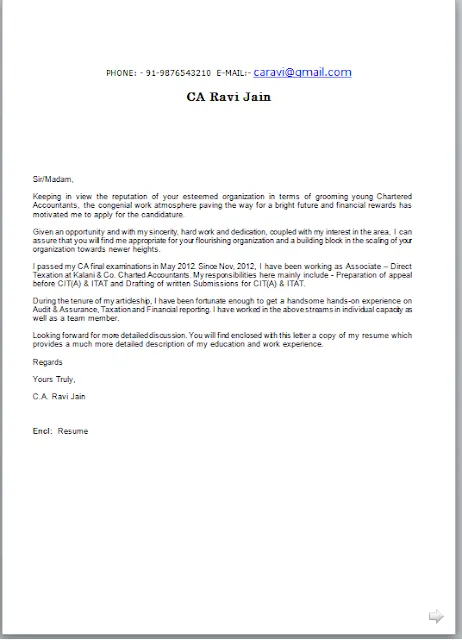
Every cover letter should include specific elements to be effective. Always start with a professional header containing your contact information and the date. Address the letter to a specific person, ideally the hiring manager, which shows you’ve done your research. The opening paragraph needs to grab the reader’s attention and state the position you’re applying for and where you found the job posting. The body paragraphs should highlight your relevant skills and experiences, providing specific examples of your accomplishments. Quantify your achievements whenever possible and finish with a strong closing paragraph reiterating your interest and offering your availability for an interview.
Formatting Your Cover Letter
Formatting impacts readability. Use a clean, easy-to-read font like Arial or Times New Roman. Keep your font size between 11 and 12 points. Aim for a one-page length. Use standard 1-inch margins and single-space the body paragraphs with a space between each paragraph. Use bullet points strategically to highlight key accomplishments or skills. Proofread carefully for grammatical errors or typos and ensure the formatting is consistent throughout. A well-formatted cover letter looks organized and demonstrates your attention to detail and professionalism. Good formatting makes the letter easy and pleasant to read.
Resume Basics
Your resume is a concise summary of your work experience, education, skills, and achievements. It quickly informs potential employers of your qualifications. Unlike the cover letter that presents your personality, the resume provides a factual overview. A well-structured resume is essential for getting your foot in the door and securing an interview. It provides a snapshot of your career journey, and recruiters rely on it to assess your qualifications quickly. Ensure that it is always tailored to the specific job, emphasizing the most relevant information for each position. It must be kept current.
Resume Structure and Content

The typical resume structure generally includes these key sections: contact information, a summary or objective statement (optional), work experience (in reverse chronological order), education, and skills. Include your professional email address and phone number. Your work experience section should list the company name, job title, employment dates, and a brief description of your responsibilities and accomplishments. The education section should include your degrees, certifications, and relevant coursework. Your skills section should showcase technical, soft, and language skills. You may add volunteer experience, professional affiliations, and awards when relevant.
Key Sections to Include
Each resume section should be crafted carefully to highlight your skills and experience. The work experience section is the most crucial; concentrate on your accomplishments and quantify them. The skills section should reflect the keywords from the job description. The education section should include all relevant degrees and certifications. Consider a projects section if you lack professional experience to demonstrate your skills. Include volunteer work if it reveals skills or values that the employer values. Make sure to organize all of your information logically so that recruiters can easily understand it.
Tailoring Your Resume
Customizing your resume is important for any application. Study the job description carefully and identify the main skills and qualifications the employer is seeking. Adjust your resume to align with these requirements, highlighting the relevant experience and achievements. Use keywords from the job description throughout your resume. Reorder sections to place the most relevant information at the top. Modify your summary or objective statement. Tailoring shows the employer that you have the specific skills and experience needed for the role, which increases your chances of getting the job.
Matching Cover Letter and Resume

Your cover letter and resume must work together. The cover letter is your chance to express your personality and enthusiasm for the job and create a bridge between your application and the job description. Your cover letter should complement your resume, not duplicate it. Your cover letter should reference specific experiences and achievements mentioned in your resume, offering further context. Maintain consistent language, tone, and style across both documents to show professionalism and attention to detail. Consistency reinforces your personal brand and highlights your strengths.
Highlighting Relevant Skills and Experiences
Showcase the most relevant skills and experiences in your cover letter and resume. In your cover letter, provide examples of how you’ve used your skills to achieve results. Use keywords from the job description in both documents. Quantify your accomplishments whenever possible on your resume. Tailor your resume to emphasize the most relevant experience. Always make a clear connection between your skills and the company’s needs. Back up claims with solid and concrete examples. Show the reader that you can provide value to the company.
Consistency in Branding
Consistency in your cover letter and resume is essential for a professional image. Use the same font, formatting, and contact information in both documents. Ensure a professional email address that is consistent with your name. Use a consistent tone and style. Your LinkedIn profile should match your cover letter and resume. This creates a cohesive representation of your skills and experience. Consistency projects a professional image, reinforcing your message. Always reflect your personal brand and project a positive professional image. This consistency enhances your credibility.
Language and Tone

Your cover letter and resume should be written in professional, clear, and concise language. Use active voice and action verbs to describe your accomplishments. Avoid jargon, slang, and overly casual language. Tailor the tone to the company culture. Proofread both documents for grammatical errors and typos. Be enthusiastic in your cover letter, but avoid being arrogant. In your resume, focus on presenting your achievements clearly and factually. The language should be engaging and show your personality in a professional way. Make sure you sound confident and competent, but not boastful.
Dos and Don’ts
There are several dos and don’ts in creating a great cover letter and resume. Do tailor the letter to the job requirements and highlight your achievements with specific examples. Use a professional format and clear language. Proofread both documents, and use action verbs and a clear call to action. Don’t use a generic cover letter, include irrelevant information, make typos or grammatical errors, use excessive jargon, or be overly casual. The most important thing is to show the employer that you are the best candidate for the job.
Common Mistakes to Avoid
Several common mistakes can damage your job application. Avoid using generic cover letters. Don’t include irrelevant information or unrelated personal details. Proofread carefully to avoid grammatical errors or typos. Avoid overly long sentences or paragraphs and keep your writing clear and concise. Do not lie or exaggerate your qualifications. Avoid providing negative information about past employers. These mistakes can damage your credibility. Present yourself in the best possible light.
Proofreading and Editing

Proofreading and editing are crucial steps in the job application process. Proofread your cover letter and resume multiple times to catch any errors in grammar, spelling, and punctuation. Use a spell checker, but don’t rely on it completely; read the documents carefully. Ask a friend or career counselor to review your documents to provide feedback and catch any mistakes. Check for consistency in formatting, font, and style. Ensure that the language and tone are appropriate for the job and company. Keep copies for your records after submitting. Proofreading is the last line of defense against a negative impression.
Tips for Different Job Types
The approach to cover letters and resumes can change depending on the job type. Entry-level positions often focus more on education, skills, and internship or volunteer experience. Mid-career professionals should highlight accomplishments and measurable results. Executive roles frequently require a more detailed presentation of leadership experience and strategic achievements. Tailor your approach to match the job requirements and the expectations of the hiring manager. For example, a tech job may require a portfolio or a link to a GitHub account, whereas an academic position might need a curriculum vitae.
Entry-Level Positions
For entry-level positions, your resume should highlight your education, relevant coursework, and any internships or volunteer experience. Focus on your skills and any projects you’ve completed. In your cover letter, express enthusiasm for the position and the company. Emphasize your ability to learn quickly and your willingness to contribute. Highlight your transferable skills, such as communication, teamwork, and problem-solving. Consider including a summary or objective statement to emphasize your career goals. Focus on your potential and demonstrate your ability to adapt to new responsibilities. Show what you’ve learned at school, even if you don’t have much work experience.
Mid-Career Professionals

Mid-career professionals should focus on their accomplishments and quantify results whenever possible. Highlight your experience and expertise in your field. Provide specific examples of how you’ve contributed to previous employers’ success in your cover letter. Use keywords from the job description to match your skills with the requirements. Focus on your leadership experience, management skills, and awards. Demonstrate the value you brought to your previous employers, focusing on results and showing a return on investment.
Executive Roles
Executive roles require your resume and cover letter to emphasize your leadership experience, strategic achievements, and impact on the organization. Highlight your ability to lead teams, drive growth, and achieve business objectives. In your cover letter, show your understanding of the company’s goals and how you can help. Include a section on key achievements and strategic initiatives. Focus on your ability to think strategically, make decisions, and drive results. Consider an executive summary. The focus is on your ability to perform in a leadership position and your strategic vision for the future.
Review and Submission
Before submitting your cover letter and resume, review them again to make sure they’re error-free and tailored to the job. Double-check all contact information. Make sure the formatting is professional. Save your documents as a PDF to preserve formatting. Submit your application according to the job posting instructions. Follow up with the hiring manager after a week or two to show your interest. Make sure you have done everything possible to show you are the chosen candidate.
Formatting for Online Submission
When applying online, follow the employer’s instructions. Save your documents as a PDF to maintain formatting. Use a clear and professional file name. Prepare to copy and paste your cover letter into the online application form. Review the uploaded documents to make sure they display correctly. Some applicant tracking systems (ATS) have specific requirements, so carefully follow those guidelines. Ensure that the document reads well when submitted through the online portal.
Follow-up Procedures
After submitting your application, follow up with the hiring manager to show your interest. Send a brief email thanking them and reiterating your enthusiasm for the role. Reference specific points from the job description or your cover letter. Wait one to two weeks before following up. If you haven’t heard back after a few weeks, send a second follow-up email. Be polite and professional. Show them that you want the job and remind them of the value you can bring to the company. Remember to show that you are enthusiastic about the position.