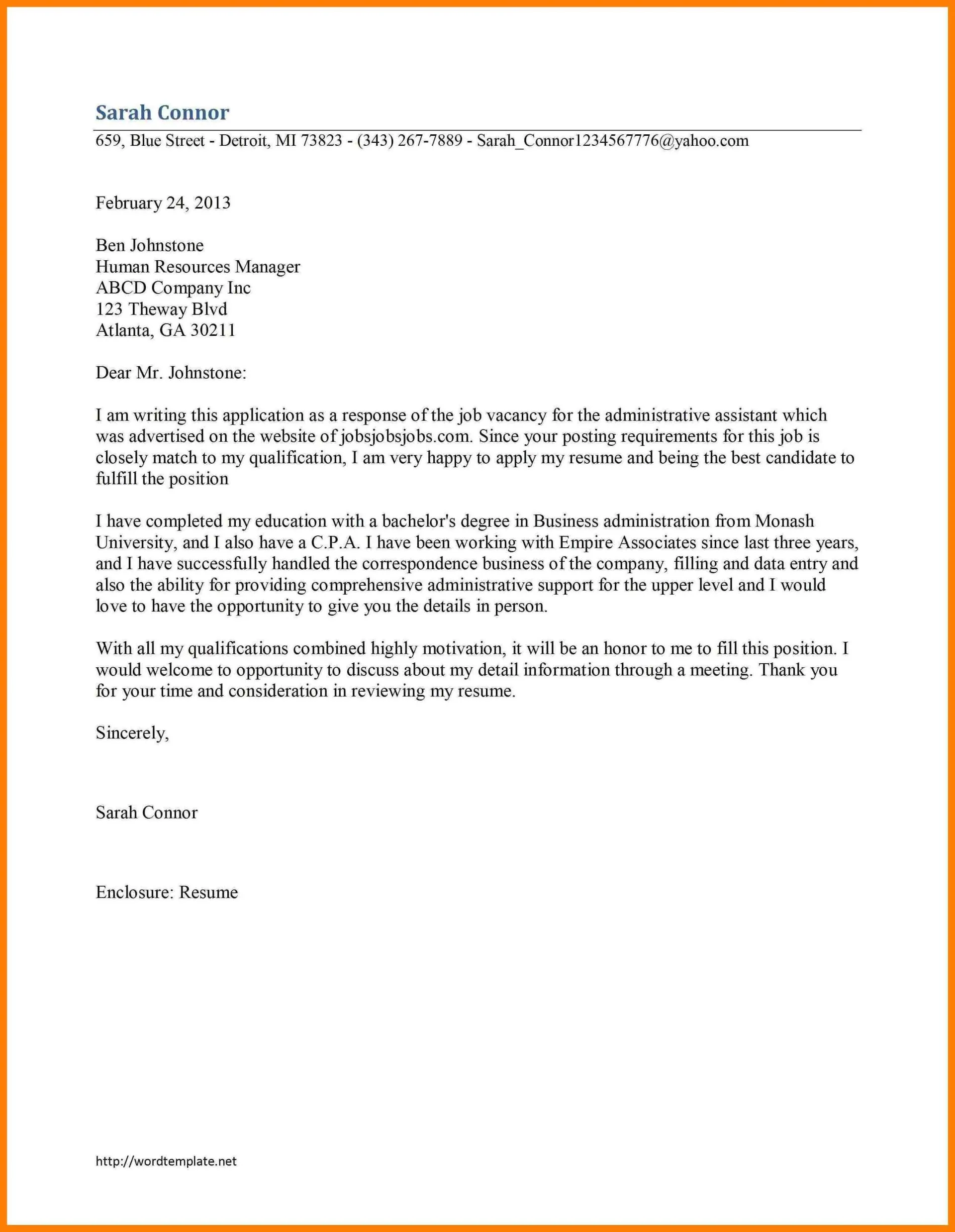
Why a Cover Letter Matters for Internal Positions
Applying for an internal position can feel different than seeking a role at a new company, but a well-crafted cover letter is still crucial. While your internal reputation may precede you, a cover letter provides a focused platform to showcase your skills, accomplishments, and aspirations in a way that a resume alone cannot. It demonstrates your serious interest in the position and your ability to communicate effectively. It also allows you to tailor your message, highlighting how your existing experience aligns perfectly with the new role’s requirements. Remember, even though the hiring manager might know you, the cover letter allows you to control the narrative and present a compelling case for your candidacy.
Highlighting Achievements
One of the primary goals of your cover letter is to highlight your key achievements within the company. Think beyond your job description and focus on quantifiable results. What specific projects have you led? What problems have you solved? What positive impacts have you made on your team or the company as a whole? Use strong action verbs and provide concrete examples to illustrate your abilities. Avoid vague statements and instead, showcase how you’ve exceeded expectations. This section should provide the evidence of your value and demonstrates your potential to succeed in the internal position you are applying for, making you stand out from other applicants. Remember to always quantify your impacts.
Quantifying Your Impact

To truly impress the hiring manager, quantify your achievements whenever possible. Use numbers and data to back up your claims. For example, instead of saying “Improved customer satisfaction”, state “Increased customer satisfaction scores by 15% through implementing a new feedback system.” Quantifying your impact provides concrete evidence of your success and demonstrates your ability to make a tangible difference. Include metrics like increased sales, reduced costs, improved efficiency, or successful project completion rates. By showing the real-world results of your contributions, you solidify your qualifications and prove that you are a valuable asset to the team, increasing your chances of getting the internal position.
Showcasing Relevant Skills
Identify the key skills required for the internal position and demonstrate how you possess them. This is not just about listing skills; it’s about providing evidence. Briefly describe a situation where you utilized a specific skill and achieved a positive outcome. Tailor this section to the specific requirements outlined in the job description. If the role requires project management experience, provide an example of a project you successfully managed. If it requires strong communication skills, give an instance where you effectively communicated with stakeholders to achieve a shared goal. This shows that you are not just capable but also have the practical experience to deliver results. Tailor each application to the specific role requirements and prove you have the skills.
Matching Skills to the Position
Carefully review the job description and identify the keywords and phrases that highlight the most important skills. Then, use these keywords throughout your cover letter when you describe your skills and experiences. For instance, if the job description emphasizes “team leadership”, ensure that your cover letter includes specific examples of your leadership abilities, such as mentoring team members or leading a project to completion. This targeted approach demonstrates to the hiring manager that you have not only the necessary skills but also understand the role’s specific requirements. It’s a sign that you have considered what the hiring team is looking for and can apply your strengths.
Demonstrating Company Loyalty and Understanding

Emphasize your commitment to the company and your understanding of its values and goals. This shows that you’re not just looking for a new job but are invested in the company’s success. Refer to the company’s mission, values, or recent achievements to show that you’re familiar with the broader organizational context. Demonstrate how your experience and skills align with the company’s objectives, and express your enthusiasm for continuing to contribute to the company’s growth. This demonstrates that you are not just another applicant, but a valued employee, and that your commitment makes you a strong candidate for the internal position. It signals your long-term vision and strengthens your candidacy.
Expressing Enthusiasm and Future Goals
Show your genuine enthusiasm for the internal position and explain why you are excited about the opportunity. Explain how this role fits into your long-term career goals. This demonstrates your motivation and your desire to grow within the company. Also, highlight how you believe your skills and experience will contribute to the success of the team and the company as a whole. Discuss your vision for the role and how you plan to make a positive impact, making a strong impression and showing your desire for the position. This forward-thinking approach makes it clear that you are invested in the role and the company’s future.
How to Tailor Your Cover Letter
Customize your cover letter for each internal position you apply for. Do not use a generic template. Each role has unique requirements, and showing that you have taken the time to understand the specific needs of the position will set you apart. Research the role, the team, and the hiring manager (if possible). Adapt your skills and experiences to match the job description, highlighting the most relevant achievements and skills. When you tailor your cover letter, you demonstrate that you are truly interested in the opportunity and willing to go the extra mile. This attention to detail will significantly increase your chances of landing an interview and ultimately, the internal position.
Researching the Internal Position and Company Culture

Before writing your cover letter, thoroughly research the internal position and the company culture. Understand the role’s responsibilities, the team dynamics, and the expectations of the hiring manager. Review the job description carefully and identify the key skills and qualifications. Also, take the time to read about the company’s mission, values, and recent news or initiatives. Referencing this information in your cover letter will demonstrate that you are well-informed and genuinely interested in the opportunity. Use the company’s language and tone throughout your cover letter. Your cover letter will clearly show that you know what the role entails and will allow you to make a stronger case for your suitability.
Keywords and Phrases for Cover Letter
Incorporate relevant keywords and phrases from the job description into your cover letter. This helps the hiring manager quickly identify that you are a good fit for the role and that you possess the required skills. Identify the key skills, experience, and qualifications outlined in the job description and naturally weave them into your cover letter. For example, if the job description mentions “project management”, ensure you highlight your project management experience using those exact words. Additionally, use industry-specific jargon, as appropriate. This demonstrates to the hiring manager that you understand the role and the industry and will help your cover letter stand out.
Cover Letter Formatting and Structure
The format and structure of your cover letter are just as important as the content. A well-organized and easy-to-read cover letter is more likely to capture the hiring manager’s attention. Use a professional font, such as Arial or Times New Roman, with a font size between 11 and 12 points. Use clear headings and subheadings to break up the text and make it easier to scan. Keep your paragraphs concise, and use bullet points when listing achievements or skills. Proofread your cover letter carefully for any grammatical errors, spelling mistakes, or typos. A well-formatted and error-free cover letter shows your attention to detail and professionalism, increasing the chances of your success.
Creating a Strong Opening

The opening of your cover letter is crucial, as it sets the tone and captures the reader’s attention. Start with a strong statement that grabs their attention. Clearly state the internal position you are applying for and briefly mention where you saw the posting. Immediately highlight your key qualifications and why you are a good fit. Avoid generic openings and instead personalize your message. If you know the hiring manager’s name, address them directly. If not, use a professional greeting, such as “Dear Hiring Team.” Briefly explain your excitement about the opportunity and mention your long-term goals. This allows you to make a positive first impression and encourages the reader to continue reading your letter.
Writing a Compelling Body
The body of your cover letter is where you provide detailed information about your qualifications and experiences. Focus on demonstrating how your skills and achievements align with the job requirements. Use specific examples to illustrate your abilities. Structure your body in a way that is easy to read, with clear paragraphs and subheadings. Address the key requirements outlined in the job description one by one. Use action verbs to describe your accomplishments and quantify your results whenever possible. Demonstrate your understanding of the company and the role. Conclude each paragraph by summarizing its significance, and always emphasize the value you will bring to the role, making you stand out and proving your suitability for the position.
Concluding with a Call to Action
End your cover letter with a strong call to action. Reiterate your interest in the internal position and state your enthusiasm for the opportunity. Thank the hiring manager for their time and consideration. Express your desire to discuss your qualifications further in an interview. Provide your contact information again to make it easy for the hiring manager to reach you. Sign off professionally, using a closing like “Sincerely” or “Best regards.” By including a clear call to action, you make it easy for the hiring manager to take the next step and increase the likelihood of your application being successful.