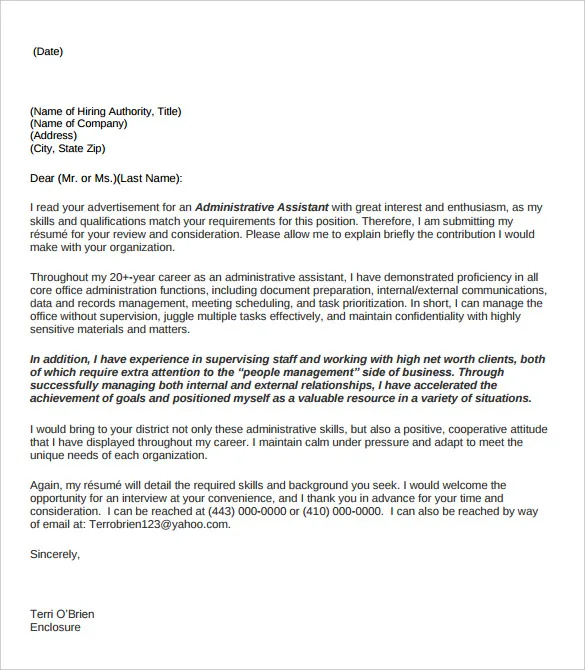
Crafting a Cover Letter for Experienced Professionals
A well-crafted cover letter is essential for experienced professionals seeking new opportunities. It’s your chance to showcase your expertise, highlight your accomplishments, and demonstrate your value to a potential employer. Unlike a resume, which provides a factual overview of your experience, a cover letter allows you to tell a compelling story, connecting your past achievements to the specific requirements of the target role. The goal is to capture the hiring manager’s attention, sparking their interest to delve deeper into your resume. By following these pro tips, you can significantly increase your chances of landing an interview and securing your desired position. It is crucial to remember that each cover letter should be personalized for each job application, reflecting your genuine interest and understanding of the company and the role.
Highlighting Your Achievements
For experienced professionals, emphasizing accomplishments is paramount. Instead of simply listing job duties, focus on what you achieved in each role. What impact did you make? How did you contribute to the company’s success? Use the STAR method (Situation, Task, Action, Result) to structure your accomplishments. This approach helps you provide context, describe your actions, and quantify the positive outcomes. The key is to move beyond the routine and illustrate your unique contributions and how you exceeded expectations. Show the hiring manager what sets you apart from other candidates by highlighting your successes.
Quantifying Your Accomplishments

Numbers speak louder than words. Whenever possible, quantify your achievements. Use data and metrics to demonstrate the impact of your work. Did you increase sales by a certain percentage? Reduce costs? Improve efficiency? Quantifying your accomplishments provides tangible evidence of your value and makes your cover letter more persuasive. For instance, instead of writing ‘Improved customer satisfaction,’ write ‘Increased customer satisfaction scores by 15% within six months.’ This level of detail gives recruiters a clear understanding of your capabilities and the value you bring to the table. Using metrics showcases your ability to drive results and deliver concrete outcomes.
Showcasing Relevant Skills
Identify the key skills required for the job and highlight your proficiency in those areas. Review the job description carefully and tailor your cover letter to align with the specific requirements. Be specific about your skills, providing examples of how you have applied them in the past. Focus on both hard skills (technical abilities) and soft skills (interpersonal and communication abilities). Demonstrate how you’ve utilized these skills to solve problems, lead teams, or achieve business goals. Showcasing your skills ensures that you’re directly addressing the employer’s needs and proving you have the expertise to excel in the role.
Matching Skills to Job Requirements
Carefully compare your skills and experience to the job description. Create a skills matrix or a list to demonstrate the alignment of your qualifications with the requirements. Clearly state how your skills directly address the employer’s needs. Use keywords from the job description throughout your cover letter, but ensure it is natural and not forced. This process helps the hiring manager quickly see that you possess the necessary abilities and experience to succeed in the position. Demonstrate your knowledge of the role by accurately matching your skills to the tasks and responsibilities outlined in the job posting.
Tailoring Your Cover Letter

One of the most common mistakes is sending a generic cover letter. Tailoring your cover letter to each job application is essential. It demonstrates that you are genuinely interested in the specific opportunity and that you have taken the time to understand the company and the role. Research the company, review their website, and understand their values and goals. Then, customize your letter to reflect your understanding of their needs. This will significantly increase your chances of being noticed and selected for an interview. A tailored cover letter shows that you are committed and dedicated.
Researching the Company
Before you start writing, thoroughly research the company. Visit their website, read news articles, and check their social media profiles. Understand their mission, values, and recent achievements. This knowledge will help you tailor your cover letter to demonstrate your understanding of the company and your alignment with its culture. Highlight aspects of the company that resonate with you, demonstrating that you’ve taken the initiative to learn about them. Show your genuine interest by using information that you gained through research. This level of detail will impress the hiring manager and will show you’re a great fit.
Personalizing Your Letter
Personalize your cover letter by addressing the hiring manager by name (if possible) and mentioning specific details about the company or the role that excite you. Show that you’ve done your homework and are not just sending out a generic application. Avoid using generic opening lines such as ‘To Whom It May Concern.’ Instead, find the hiring manager’s name and address them directly. Also, mention specific projects or aspects of the company’s work that interest you. This level of personalization makes your letter stand out and leaves a positive impression.
Using Strong Action Verbs

Use strong action verbs to describe your accomplishments and responsibilities. This makes your cover letter more dynamic and engaging. Instead of passive phrases, use verbs that convey action and achievement, such as ’led,’ ‘managed,’ ‘developed,’ ‘implemented,’ ‘achieved,’ and ‘increased.’ Action verbs bring your experiences to life and help you stand out from the competition. Start each bullet point or sentence describing an achievement with a powerful action verb. This shows that you have a proactive approach and take initiative in your work.
Communicating Your Value Proposition
Clearly articulate your value proposition. What unique skills and experiences do you bring to the table? How can you contribute to the company’s success? Explain why the employer should hire you, not just why you want the job. Summarize your key qualifications and achievements and how they align with the company’s goals. Your value proposition should be concise, compelling, and tailored to the specific job requirements. Make it clear what problems you can solve and what results you can achieve for the company. This is your unique selling point.
Demonstrating Career Progression
Showcase your career progression and how you have grown in your field. Highlight promotions, increased responsibilities, and new skills acquired over time. This demonstrates your commitment to professional development and your ability to take on new challenges. Illustrate how your career has evolved and how your current skills and experience are a perfect fit for the target role. This helps the hiring manager understand your trajectory and your future potential within the company. This shows your capacity for growth and adaptability.
Emphasizing Leadership Experiences

If you have leadership experience, highlight it prominently. Describe your leadership roles, the teams you’ve led, and the outcomes you achieved. Use specific examples to illustrate your leadership skills, such as motivating teams, setting goals, and driving results. Quantify your achievements wherever possible, such as ‘Led a team of 10 to increase sales by 20%.’ Leadership experience is a valuable asset and demonstrates your ability to take initiative and guide others. Highlighting your successes as a leader can make a significant impression on potential employers.
Stating Your Career Goals
Briefly mention your career goals and how the job aligns with your long-term objectives. Show that you are committed to your profession and that you see this opportunity as a step towards achieving your goals. This helps the hiring manager understand your career aspirations and how your ambitions align with the company’s objectives. Ensure your goals are relevant to the position and demonstrate how you plan to contribute to the company’s success. Be specific and show how the role can help you grow professionally.
Focusing on the Employer’s Needs
Frame your cover letter from the employer’s perspective. Instead of focusing solely on what you want, highlight how you can meet their needs and solve their problems. Demonstrate your understanding of their challenges and how you can contribute to their success. Show that you have the skills, experience, and enthusiasm to make a positive impact. This approach makes your cover letter more compelling and increases your chances of getting an interview. Center your letter around how you can improve the organization, instead of focusing on how the job can help you.
Understanding the Company Culture

Research the company culture and tailor your tone and language to match. Do they emphasize innovation, collaboration, or customer service? Reflecting their values in your cover letter shows that you understand and appreciate their culture. This makes you a better fit and increases your chances of being selected. Show that you are a cultural fit by using the same tone and vocabulary that the company utilizes in its public communications. Show that you will easily integrate into the company’s environment.
Addressing the Hiring Manager Directly
Always address the hiring manager or the person who will be reading the cover letter directly. Personalizing your cover letter by addressing the hiring manager by name adds a level of professionalism and shows your attention to detail. It also shows that you have taken the time to learn about the company and the role. If you can’t find the hiring manager’s name, use a professional greeting such as ‘Dear Hiring Team’ or ‘Dear [Department Name] Hiring Manager.’ Avoid generic greetings like ‘To Whom It May Concern,’ which can make your cover letter feel impersonal. This small detail makes a significant difference.