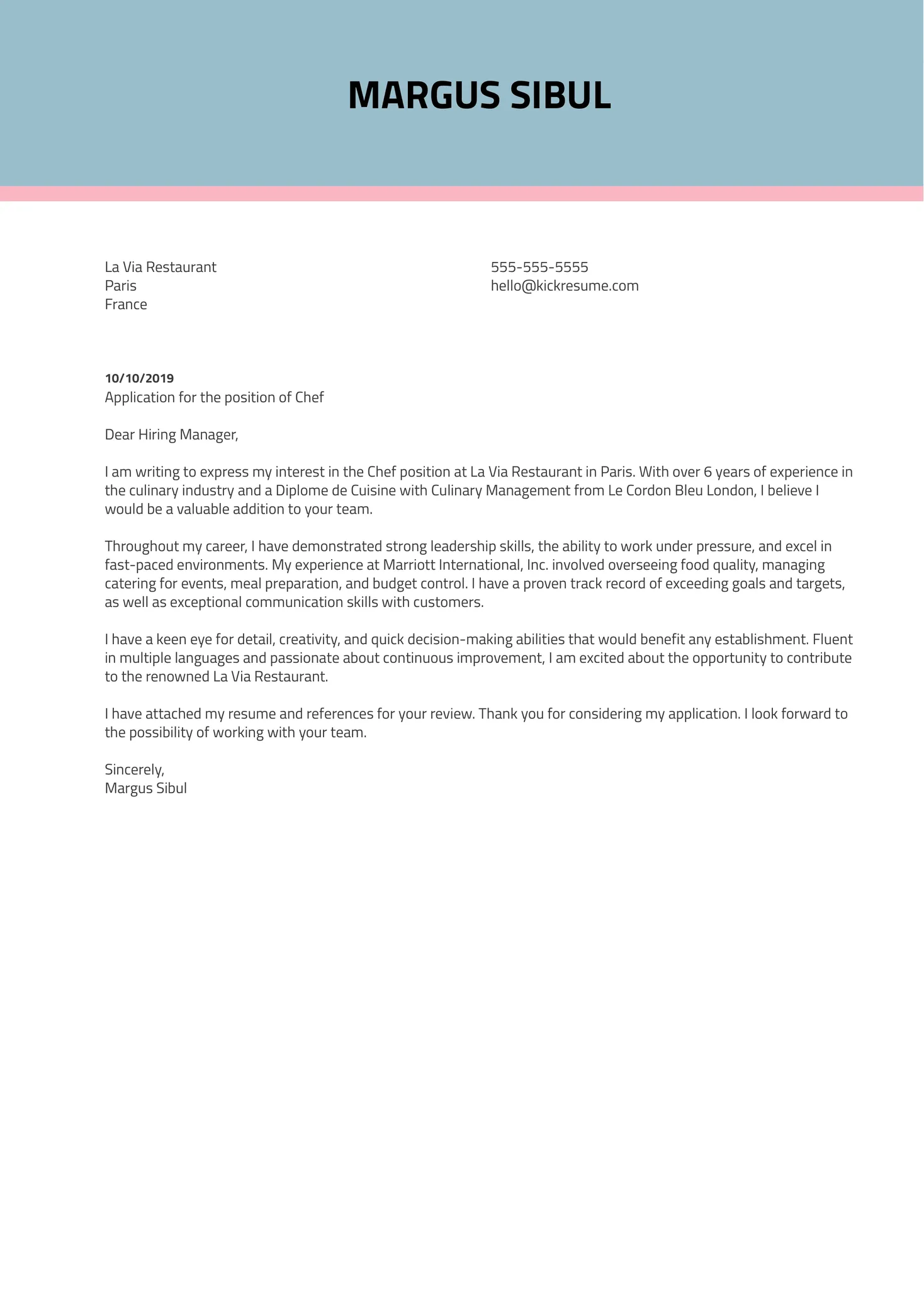
Crafting a Cook Cover Letter
A well-crafted cook cover letter is your initial introduction to a potential employer, serving as a crucial tool in securing a job interview. It goes beyond the information presented in your resume, allowing you to showcase your personality, passion, and unique qualifications. Think of it as a chance to make a strong first impression and to highlight the skills and experiences that make you the ideal candidate. A compelling cover letter can significantly increase your chances of landing your dream cooking job, whether you’re aiming for a position in a bustling restaurant, a cozy cafe, or a high-end catering service. It’s your opportunity to tell a story that your resume alone cannot. The cover letter is the perfect place to shine and express your enthusiasm for the position and the company.
Understanding the Importance of a Cook Cover Letter
In a competitive job market, a cook cover letter isn’t just a formality; it’s a strategic advantage. It’s where you can personalize your application and demonstrate your understanding of the specific job requirements and the company’s values. It also reveals your communication skills, attention to detail, and professionalism. Moreover, the cover letter provides context to your resume, clarifying any gaps in employment, explaining career transitions, and emphasizing skills and experiences most relevant to the role. By investing time in crafting a tailored cover letter, you show the hiring manager that you are genuinely interested in the position and have taken the initiative to present yourself effectively.
Key Elements of a Cook Cover Letter
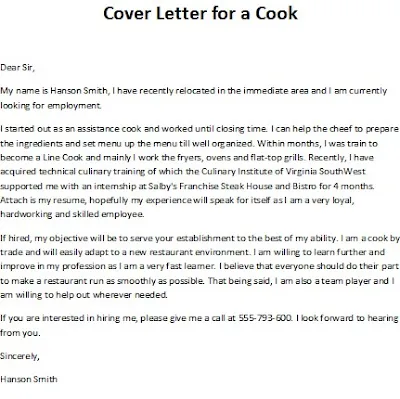
To create a cover letter that impresses, it’s essential to include specific key elements. These are the fundamental components that will help you stand out and make a positive impact on the hiring manager. From your contact information to the closing paragraph, each section plays a vital role in showcasing your skills, experience, and enthusiasm for the job. Understanding these essential elements will help you to write a compelling and effective cover letter that highlights your qualifications, and increases your chances of getting hired. A well-structured letter also helps make a professional and positive impression.
Your Contact Information
Start your cover letter by clearly stating your contact information. This includes your full name, phone number, email address, and potentially a link to your professional online presence (e.g., LinkedIn profile or online portfolio). Ensuring that your contact information is easily accessible and accurate allows the hiring manager to reach you promptly. Place this information at the top of the letter, either on the left or right side, making it easily visible. Double-check all details for accuracy before sending your application to avoid any missed opportunities.
The Hiring Manager’s Contact Information
If possible, address your cover letter to a specific hiring manager or the person in charge of the kitchen. Research the restaurant or company website to find the name and title of the appropriate contact. This personal touch demonstrates your initiative and interest in the specific opportunity. If you’re unable to find a name, use a professional salutation, such as “Dear Hiring Manager.” Addressing the letter to a specific person makes it clear that you’ve taken the time to learn about the company, and this can set you apart from candidates who use a generic approach.
The Opening Paragraph

The opening paragraph sets the tone for your entire cover letter, so it’s crucial to make a strong first impression. State the position you’re applying for and where you found the job posting. Briefly mention something that caught your attention about the company or the role to show your genuine interest. For example, you might reference a specific dish on their menu or a value that aligns with your own. The opening paragraph should immediately grab the reader’s attention and encourage them to keep reading, so make it concise, engaging, and relevant to the opportunity. This sets the stage for highlighting your qualifications and enthusiasm.
Showcasing Your Skills and Experience
The main body of your cover letter should focus on showcasing your relevant skills and experience. Provide specific examples that demonstrate your ability to excel in the role. This section is your opportunity to convince the hiring manager that you have the necessary qualifications. Focus on the skills and experiences that align with the job requirements. Use action verbs to describe your responsibilities and accomplishments, and be sure to quantify your achievements whenever possible. Highlighting your relevant experience and skills will emphasize how you’ll add value to the culinary team, and show you’re a good fit.
Highlighting Relevant Experience
Choose experiences most relevant to the job description. If the job requires experience in a specific cuisine, emphasize your relevant work history. If the role involves managing a team, highlight your leadership skills and any previous supervisory experience. Provide detailed examples of your accomplishments in prior roles. Showcase your ability to handle various kitchen tasks, from food preparation to menu planning. By focusing on the experiences that align with the employer’s needs, you will make a compelling case for your candidacy.
Quantifying Your Achievements

Use numbers and data to illustrate your achievements. For example, state how many dishes you prepare on average per shift, the percentage by which you reduced food waste, or the number of staff you trained. Quantifiable achievements provide tangible evidence of your abilities, making your claims more convincing. Including specific metrics will showcase your ability to achieve results and add value to the team. Adding numbers is a great way to demonstrate your impact and contribution in previous roles, and it will help to impress the hiring manager.
Demonstrating Your Passion for Cooking
Show your passion for cooking by expressing your enthusiasm for food, culinary techniques, and the dining experience. Mention what inspires you, and what keeps you motivated in the kitchen. Conveying your passion is a great way to connect with the hiring manager on a personal level. Share what you love about cooking and what you bring to the table. Your enthusiasm and dedication will highlight your desire to become an integral part of the culinary team. Being passionate also suggests you’re committed to delivering high-quality food and a positive experience for customers.
Mentioning Specific Dishes or Cuisines
If you have a particular specialty or enjoy working with a certain cuisine, mention it in your cover letter. Referencing specific dishes, techniques, or ingredients shows your knowledge and expertise. For instance, if the restaurant is known for Italian cuisine, you can mention your experience with pasta-making or Italian sauces. This demonstrates your attention to detail and ability to adapt to different culinary styles. Mentioning specialties can signal that you’re a good fit for their team.
Addressing Any Gaps in Employment

If there are any gaps in your employment history, address them briefly and honestly. This could include periods of travel, further education, or time spent on personal projects. Explain the reasons for the gaps and how you used that time to develop new skills or gain experience. Frame it positively, focusing on what you’ve learned or how you’ve grown during that period. Addressing employment gaps will avoid questions, and it gives you the chance to explain it. Honesty and clarity will help the hiring manager understand your background better.
Expressing Your Interest and Availability
In the closing section of your cover letter, reiterate your interest in the position and the company. Express your enthusiasm for the opportunity and mention any particular aspects of the job that excite you. State your availability for an interview and how the hiring manager can contact you. Keep the closing paragraph concise and professional, expressing your gratitude for their time and consideration. This is your final chance to make a positive impression and increase your chances of getting an interview.
The Closing Paragraph
End your cover letter with a strong closing paragraph. Reiterate your interest in the role and express your confidence in your ability to contribute to the team. Thank the hiring manager for their time and consideration, and state that you look forward to the opportunity to discuss your qualifications further. Include a call to action, such as “I welcome the opportunity to discuss my qualifications in an interview.” This concluding statement should leave a positive impression and prompt the hiring manager to contact you. Remember to include a professional closing, such as “Sincerely” or “Best regards,” followed by your name.
Professional Formatting and Proofreading

Always ensure that your cover letter is professionally formatted and free of errors. Use a standard, easy-to-read font such as Times New Roman or Arial, with a font size of 11 or 12 points. Maintain consistent spacing and margins throughout the document. Proofread your cover letter carefully for any grammatical errors, spelling mistakes, or typos. Consider asking a friend or family member to review your letter as a second pair of eyes will often catch errors you might have missed. A polished and error-free cover letter demonstrates your attention to detail and professionalism. Ensure the document is easy to read.
In conclusion, writing a compelling cook cover letter is crucial for impressing potential employers and securing your dream cooking job. By including key elements like your contact information, showcasing your skills and experience, expressing your passion for cooking, and maintaining professional formatting, you can create a cover letter that stands out from the competition. Remember to tailor your letter to each specific job application, highlighting the skills and experiences most relevant to the position. By following these tips and dedicating time to crafting a well-written cover letter, you’ll be well on your way to impressing hiring managers and advancing your culinary career. Use this as a guide to creating your own cook cover letter!