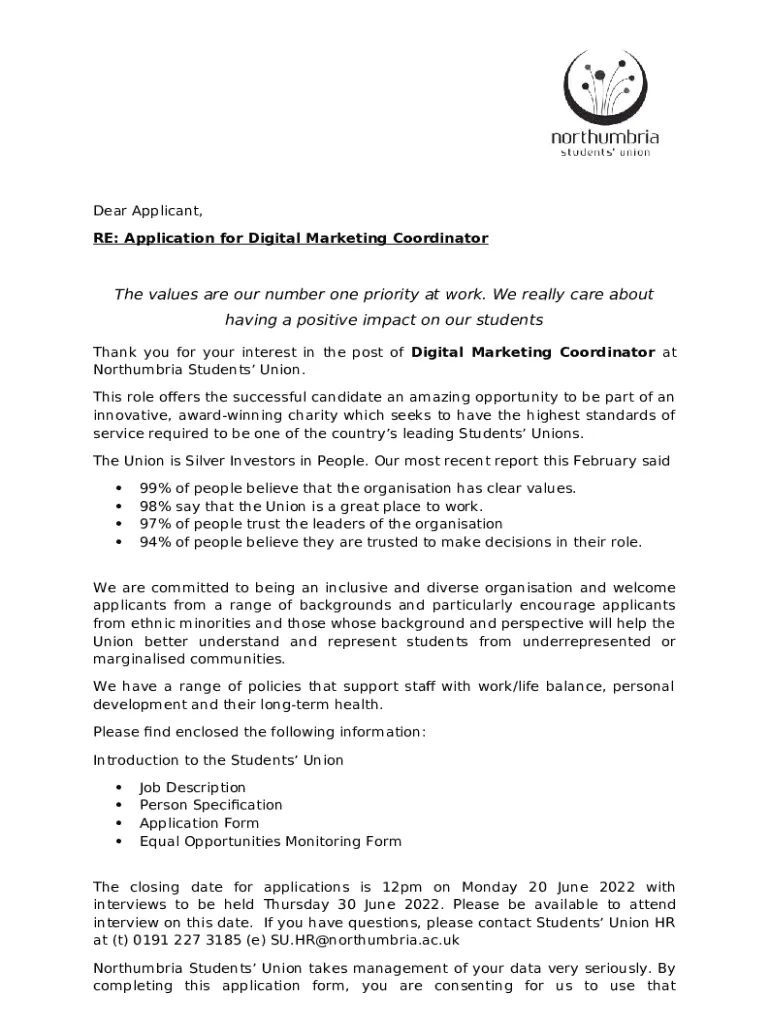
Why the Cover Letter Close Matters
The closing of your cover letter is far more important than many job seekers realize. It’s the last impression you leave on a hiring manager, and a strong closing can significantly increase your chances of getting an interview. Think of it as your final opportunity to make a compelling case for why you are the ideal candidate. A well-crafted closing summarizes your key qualifications, reiterates your interest, and prompts the reader to take the next step. A weak or generic closing, on the other hand, can undermine the entire letter, making you appear uninterested or unprepared. In the competitive job market, every detail matters, and the cover letter closing is no exception. Mastering this crucial element can set you apart from the competition and pave the way for career success.
Key Components of a Strong Closing
A powerful closing should incorporate several essential elements to leave a lasting impact. First, it should express your gratitude for the reader’s time and consideration. This simple act of courtesy shows respect and professionalism. Second, it should reiterate your enthusiasm for the position and the company. This reinforces your genuine interest and motivation. Third, you should briefly mention your value proposition, summarizing how your skills and experiences align with the job requirements and company goals. Finally, and perhaps most importantly, your closing should include a clear and confident call to action, prompting the reader to contact you for an interview or to discuss your qualifications further. By incorporating these components, you create a closing that is both memorable and effective.
Expressing Gratitude in Your Cover Letter

Expressing gratitude is a fundamental aspect of a professional cover letter closing. It shows respect for the hiring manager’s time and effort in reviewing your application. A simple ‘Thank you for your time and consideration’ can go a long way in establishing a positive first impression. While this phrase is common, consider tailoring it slightly to reflect your specific appreciation. For example, if you’re applying to a company with a strong reputation for innovation, you might say, ‘Thank you for considering my application to join your innovative team.’ This personalized approach demonstrates that you’ve researched the company and are genuinely interested in the opportunity. Moreover, expressing gratitude sets a tone of professionalism and courtesy, leaving a positive and lasting impression.
Reiterating Your Interest & Enthusiasm
Reiterating your interest and enthusiasm is crucial in the cover letter closing. It reminds the hiring manager why you’re a strong candidate and why you’re genuinely excited about the opportunity. Instead of simply stating ‘I am interested,’ try a more compelling approach. For example, you could say, ‘I am particularly excited about the opportunity to contribute my skills to [Company Name]’s mission of [Company Mission].’ Or, ‘I am eager to learn more about this role and how my experience can benefit your team.’ This shows that you’ve not only read the job description but also understand and appreciate the company’s values and goals. Demonstrating genuine enthusiasm can make you stand out from other candidates and leave a memorable impression, increasing your chances of securing an interview.
Mentioning Your Value Proposition
In the cover letter closing, briefly mentioning your value proposition is a strategic move to solidify your qualifications. Summarize how your skills and experiences align with the job requirements and company goals. Instead of listing your qualifications again, focus on the most relevant aspects that make you a strong fit. For instance, if the job description emphasizes project management skills, you might say, ‘My proven track record of successfully managing projects, along with my experience in [relevant industry], aligns perfectly with the requirements of this position.’ This concise summary highlights your key strengths and demonstrates that you’ve carefully considered how your skills can contribute to the company’s success. This tailored approach shows that you’re not just another applicant, but a candidate who understands and can deliver what the company needs.
How to End with a Call to Action

The call to action is the most critical part of your cover letter closing. It prompts the hiring manager to take the next step, such as scheduling an interview. Be clear, confident, and concise in your call to action. Avoid vague statements like ‘I look forward to hearing from you.’ Instead, use proactive language. For example, you could say, ‘I am available for an interview at your earliest convenience and can be reached at [your phone number] or [your email address].’ Or, ‘I am eager to discuss how my skills and experience can benefit your team, and I am available for an interview next week.’ Be specific and make it easy for the hiring manager to contact you. A well-crafted call to action can significantly increase your chances of moving forward in the application process, demonstrating your proactive approach and genuine interest in the opportunity.
Examples of Effective Cover Letter Closings
Closing for Entry Level Positions
For entry-level positions, the closing should emphasize eagerness and potential. For example, ‘Thank you for your time and consideration. I am excited about the opportunity to launch my career with [Company Name] and contribute to your team. I am available for an interview at your earliest convenience. You can reach me at [phone number] or [email address].’ This closing is enthusiastic, highlights a willingness to learn, and provides clear contact information. It avoids overstating experience, as entry-level candidates typically lack extensive work history. Instead, the focus is on demonstrating a proactive attitude and expressing enthusiasm for the opportunity to grow and learn within the company. Tailor the closing to match the specific company’s culture and values to further impress the hiring manager.
Closing for Mid-Career Professionals

For mid-career professionals, the closing should reflect experience, skills, and value. For example, ‘Thank you for considering my application. With my [number] years of experience in [industry] and my proven track record of [achievements], I am confident I can make a significant contribution to [Company Name]. I am available for an interview and can be reached at [phone number] or [email address].’ This closing highlights relevant experience and quantifiable achievements, showcasing your value proposition. It’s important to tailor this closing to align with the specific job requirements, emphasizing the skills and experiences that are most relevant to the role. Including specific achievements helps to demonstrate your expertise and build confidence in your abilities, making you stand out among other candidates.
Closing for Senior Level Candidates
Senior-level candidates should craft closings that emphasize leadership, strategic vision, and a commitment to the company’s success. For example, ‘Thank you for your time and consideration. I am eager to leverage my extensive experience in [industry] to lead [Company Name] to new heights. My ability to develop and execute strategic initiatives, combined with my proven track record of driving revenue growth, makes me an ideal fit for this role. I am available for an interview and look forward to discussing how I can contribute to your team’s success. You can reach me at [phone number] or [email address].’ This closing highlights leadership capabilities, strategic thinking, and tangible results. It demonstrates a clear understanding of the company’s goals and a commitment to achieving them, making a compelling case for the candidate’s suitability for the senior role.
Common Mistakes to Avoid in Your Closing
Overly Casual or Informal Tone

One of the most common mistakes in cover letter closings is using an overly casual or informal tone. While it’s important to be personable, your cover letter is a professional document. Avoid using slang, emojis, or overly friendly language. For example, instead of saying ‘Catch you later!’ or ‘Talk soon,’ opt for more professional alternatives like ‘I look forward to hearing from you’ or ‘Thank you for your time and consideration.’ Maintaining a professional tone throughout your cover letter demonstrates respect for the hiring manager and the company, showing that you take the application process seriously. Ensure your closing reflects the professional standards expected by the industry and the specific company you’re targeting. Always proofread to avoid any unintended informalities.
Failing to Proofread for Errors
Failing to proofread your cover letter closing for errors is a significant mistake that can undermine your credibility. Typos, grammatical errors, and incorrect information can create a negative impression, suggesting a lack of attention to detail and professionalism. Always carefully review your closing (and the entire cover letter) multiple times, checking for any mistakes in grammar, spelling, and punctuation. Consider using a grammar checker tool and asking a friend or colleague to review your letter as well. Ensuring your closing is error-free demonstrates that you care about the application and respect the hiring manager’s time. A polished and accurate cover letter significantly increases your chances of making a positive impression and securing an interview, so always proofread thoroughly.
Unclear or Weak Call to Action
An unclear or weak call to action is a missed opportunity in your cover letter closing. A call to action should explicitly tell the hiring manager what you want them to do next. Avoid vague phrases like ‘I hope to hear from you soon.’ Instead, be specific and confident. For example, ‘I am available for an interview next week and can be reached at [phone number] or [email address].’ This provides clear instructions and makes it easy for the hiring manager to take the next step. If you are unsure of the hiring manager’s preferred contact method, provide both phone and email. This clear direction shows confidence and initiative, increasing your chances of being contacted for an interview. Make sure your call to action is tailored to the specific job and company to be as effective as possible.
Best Practices for Closing a Cover Letter

Tailoring Your Close to the Job
Tailoring your cover letter closing to the specific job and company is essential for making a strong impression. Generic closings, while acceptable, do not resonate as strongly as personalized ones. Review the job description carefully, paying attention to the key skills, requirements, and company values. Use this information to craft a closing that highlights your relevant experiences and demonstrates your understanding of the role and the company’s goals. For example, if the job description emphasizes teamwork, you might mention your experience collaborating with teams. If the company values innovation, express your enthusiasm for contributing to their innovative environment. Tailoring your closing to the specific job demonstrates that you are genuinely interested in the opportunity and have taken the time to understand the company’s needs, greatly increasing your chances of success.
Maintaining a Professional Tone
Maintaining a professional tone throughout your cover letter, including the closing, is crucial for making a positive impression. Avoid using slang, informal language, or emojis, which can diminish your credibility. Your closing should reflect your respect for the hiring manager and the company. Use formal greetings and closings, such as ‘Sincerely’ or ‘Best regards,’ followed by your full name. Ensure your writing is clear, concise, and free of grammatical errors. The tone you use should align with the company’s culture; however, err on the side of formality to ensure your message is received professionally. A polished and professional cover letter demonstrates your attention to detail and ability to communicate effectively in a business setting. This will help you to stand out from the competition.
Proofreading and Editing Your Close

Proofreading and editing your cover letter closing is the final step in ensuring its effectiveness. Errors can undermine your professionalism and create a negative impression, so it’s important to review it meticulously. Check for spelling, grammar, and punctuation mistakes. Read the closing aloud to ensure that it flows naturally and that your message is clear. Consider asking a friend, family member, or career counselor to review your letter for any errors or areas for improvement. A fresh pair of eyes can often catch mistakes that you might miss. Ensure that all your contact information is accurate. The closing should be concise and impactful, leaving the hiring manager with a positive and professional impression. A well-edited cover letter is a testament to your attention to detail and enhances your chances of landing an interview.
Key Takeaways Crafting a Powerful Cover Letter Close
In conclusion, a strong cover letter closing is a critical element in securing a job interview. Begin by expressing your gratitude and reiterating your interest in the position. Mention your value proposition briefly, highlighting your key skills and experiences. Include a clear and confident call to action, providing your contact information and expressing your availability for an interview. Avoid common mistakes such as using an overly casual tone, failing to proofread, and using weak calls to action. Tailor your closing to each specific job and company, demonstrating your understanding of their needs. By following these best practices, you can create a cover letter closing that leaves a lasting impression, showcases your professionalism, and increases your chances of success. Remember, the closing is your last opportunity to make a strong positive impression, so make it count and put the effort in.