Crafting Your Bookkeeping Cover Letter
A well-crafted bookkeeping cover letter is your key to unlocking the door to your first bookkeeping role, even without prior experience. It’s your chance to make a strong first impression and convince potential employers that you have what it takes to excel. The cover letter complements your resume and provides a platform to highlight your skills, enthusiasm, and potential. Remember, it’s not just about listing your qualifications it’s about telling a compelling story about why you are the right fit for the job and the company. This guide provides the steps to help you create a standout cover letter that increases your chances of getting hired.
Highlighting Transferable Skills
When you lack direct bookkeeping experience, focusing on transferable skills is essential. These are the skills you’ve gained from previous jobs, education, volunteer work, or personal projects that are relevant to bookkeeping. Think about the abilities that make you a good candidate, even if you haven’t worked in accounting before. Consider skills like attention to detail, organizational abilities, communication prowess, and problem-solving capabilities. These qualities, combined with your eagerness to learn, can create a powerful impression on potential employers and showcase that you possess the essential skills required in the role.
Skills to Showcase in Your Bookkeeping Cover Letter

Identifying and showcasing relevant skills can significantly improve your chances of landing a bookkeeping position. Many skills are transferable from other areas of work or even from your personal life. The ability to demonstrate these skills within your cover letter can illustrate your aptitude and readiness to take on a bookkeeping position. Remember to provide examples of how you have used these skills in the past. This will illustrate your understanding of the skills and also provide evidence of your capabilities.
Attention to Detail
Bookkeeping demands a high level of accuracy. Showcase how you have demonstrated attention to detail in previous roles or situations. This might involve meticulous data entry, proofreading documents, or managing complex projects with precision. Highlight any experiences that required you to pay close attention to numbers, records, or processes. For instance, if you’ve balanced a personal budget, managed inventory, or been in charge of meticulous tasks, mention them in your cover letter to show your understanding of this important requirement.
Organizational Skills
Bookkeepers manage large amounts of information. Demonstrate your ability to organize information and keep tasks under control. This may include showcasing experiences with filing systems, project management, or time management. Mention instances where you maintained order, met deadlines, and managed multiple responsibilities concurrently. Organizational skills are crucial for bookkeeping; showing that you are capable of maintaining these skills can substantially improve your cover letter.
Communication Skills

Bookkeeping frequently involves communication with clients, vendors, and colleagues. Highlight your strong written and verbal communication skills. Provide examples of how you’ve effectively communicated financial information, resolved conflicts, or collaborated with a team. Communication skills are pivotal for bookkeeping positions, demonstrating that you can clearly share financial data and handle professional communications.
Demonstrating Your Enthusiasm
Your passion for bookkeeping can significantly differentiate you from other candidates. Express your genuine interest in the field and your enthusiasm for learning and growing within the company. Show that you are eager to develop your skills and contribute to the team. Mention any specific aspects of bookkeeping that particularly excite you, such as working with specific software or analyzing financial data. This can make your cover letter more personable and memorable, indicating your long-term interest in the bookkeeping profession.
Researching the Company
Before you begin writing, research the company you are applying to. Understand their mission, values, and the specific requirements of the bookkeeping position. This research will allow you to customize your cover letter, showing that you are genuinely interested in their organization and have taken the time to understand their needs. Use this information to tailor your letter, highlighting how your skills and interests align with the company’s goals and culture. This personalized approach will demonstrate your initiative and enthusiasm and show that you are dedicated to securing a position within their company.
Tailoring Your Letter

Each cover letter should be unique and tailored to the specific job and company. Avoid using a generic template. Customize your letter to match the job description’s requirements. Address the specific skills and experiences that the employer is seeking and modify your letter to highlight those aspects. Customize the letter to show that you have a strong understanding of the role and why you are a suitable candidate for this role.
Showcasing Your Personality
While remaining professional, allow your personality to shine through. Let your genuine enthusiasm for bookkeeping and your eagerness to learn come through in your writing. Share a brief anecdote that reflects your work ethic or problem-solving abilities. This personal touch can make your cover letter more memorable and help the hiring manager connect with you on a deeper level. Be authentic; it will make your application stand out from the crowd.
Addressing the Lack of Experience
It’s essential to address your lack of direct experience in bookkeeping. Be honest, but don’t dwell on the negative. Instead, frame it positively by emphasizing your transferable skills, eagerness to learn, and commitment to the bookkeeping field. Focus on what you bring to the table and how quickly you can acquire the necessary skills to excel in the role. Show that you are ready to take on the role and that you are dedicated to learning the requirements.
Focusing on Your Strengths

Use your cover letter to showcase your top skills and qualities. Highlight any relevant coursework, training, or certifications. If you have completed a bookkeeping course, mention it prominently. List your abilities. Provide examples to back up your claims. For instance, if you are detail-oriented, provide an example of a time when your attention to detail helped you prevent an error or solve a problem. This strategy helps you demonstrate your qualifications and assures hiring managers that you can do the job.
Emphasizing Your Motivation
Show the employer that you are motivated to learn and develop your career in bookkeeping. Express your enthusiasm for the company and the specific role. Mention any reasons that drew you to apply for the role and what inspires you about the industry. Employers are keen to hire motivated individuals who are excited about the work. Your cover letter is the ideal platform to showcase your motivation and your desire to grow with their company.
Highlighting Relevant Coursework or Training
If you have taken any courses or training related to bookkeeping or accounting, make sure to highlight these in your cover letter. This can include online courses, certifications, or vocational training. Mention the skills and knowledge you gained from these experiences. Include details such as course names, the institutions you attended, and any specific software you learned to use. It’s essential to emphasize how this training prepares you for the role, even without direct experience. This demonstrates your investment in your career and your willingness to acquire the necessary skills.
Formatting Your Bookkeeping Cover Letter

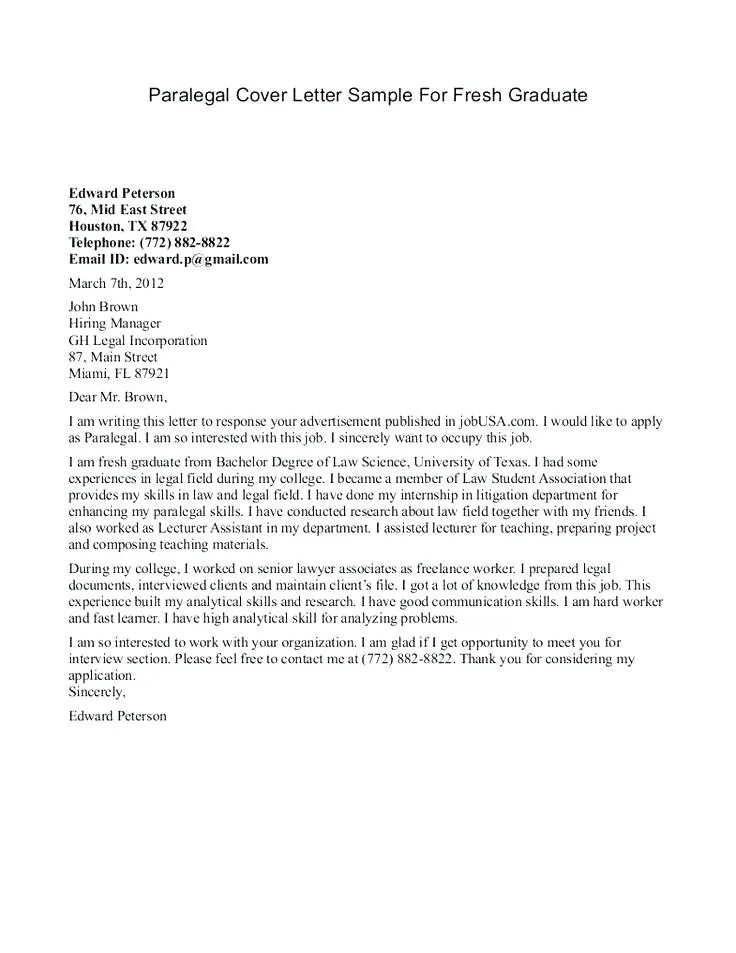
Proper formatting is crucial for making a positive impression. Use a clear and professional font, such as Times New Roman or Arial, and maintain consistent formatting throughout the document. Keep the letter concise and well-structured, with clear paragraphs and appropriate spacing. Ensure your letter is easy to read and visually appealing. A well-formatted cover letter showcases your attention to detail, indicating that you present yourself professionally.
Contact Information
At the top of your cover letter, include your contact information. This should include your full name, phone number, email address, and LinkedIn profile URL (if you have one). Ensure that your contact information is up to date and easy to locate. The information provides the employer with quick and convenient ways to reach you for an interview. Double-check all details to ensure that there are no errors.
Professional Salutation
Start your cover letter with a professional salutation. If possible, address the hiring manager by name. If you cannot find a name, use a general greeting like “Dear Hiring Manager.” Avoid generic salutations such as “To Whom It May Concern.” Using a specific name or greeting shows that you have put time and effort into your application and shows respect for the hiring manager.
Body Paragraphs

The body of your cover letter is where you sell yourself. The first paragraph should state the position you are applying for and where you found the job posting. In the following paragraphs, highlight your skills and experiences and explain how they align with the job requirements. Provide specific examples to support your claims and show how you can add value to the company. Keep each paragraph concise and focused, highlighting your strengths and demonstrating how you can succeed in the role.
Closing and Signature
In your closing paragraph, reiterate your interest in the position and express your enthusiasm for the opportunity. Thank the hiring manager for their time and consideration. End your cover letter with a professional closing, such as “Sincerely” or “Best regards,” followed by your full name. This formal closing reinforces the professional nature of your application and indicates respect.
Proofreading and Editing
Before submitting your cover letter, proofread it carefully for any errors in grammar, spelling, and punctuation. Errors can make a negative impression on the employer and undermine your credibility. Read your cover letter multiple times, and consider reading it aloud to catch any mistakes you might have missed. A polished and error-free cover letter demonstrates attention to detail and reflects your professionalism.
Checking for Errors

Carefully check your cover letter for typos, grammatical errors, and incorrect phrasing. Ensure that the formatting is consistent throughout the document. Use spell check and grammar check tools, but don’t rely on them completely. It’s essential to proofread your work to catch any errors that automated tools might miss. A well-proofread cover letter conveys your professionalism and dedication to the job.
Seeking Feedback
Ask a trusted friend, family member, or career counselor to review your cover letter. Another person can provide a fresh perspective and identify any areas for improvement. They can offer feedback on the clarity of your writing, the strength of your arguments, and the overall impact of your letter. Consider asking someone with experience in bookkeeping or human resources to give you more specific feedback. Use the feedback to refine your letter and make sure it is the best it can be.