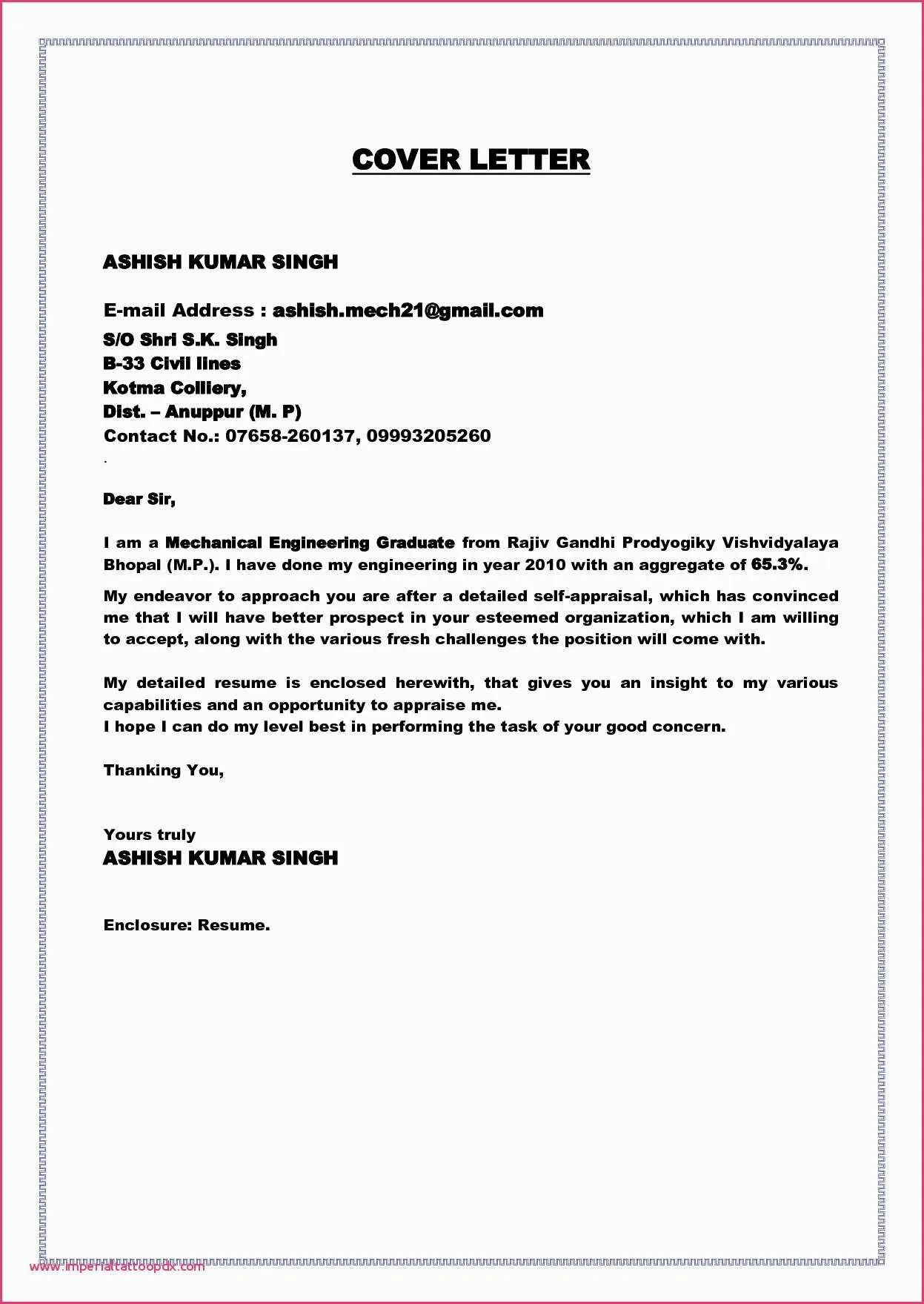
What is a Cover Letter and Why Does it Matter?
A cover letter is your first chance to make a positive impression on a potential employer. It’s a crucial document that accompanies your resume, providing a personalized introduction and highlighting why you’re the perfect fit for the job. Think of it as your personal sales pitch, designed to convince the hiring manager to read your resume and consider you for an interview. In today’s competitive job market, a well-crafted cover letter can be the deciding factor in landing your dream job. Many job seekers underestimate the power of a well-written cover letter, often submitting generic letters that fail to capture the attention of recruiters. This can be a costly mistake, as it could mean your application is overlooked.
The Purpose of a Cover Letter
The primary purpose of a cover letter is to introduce yourself, express your interest in the specific position, and explain why you are a strong candidate. It allows you to elaborate on your resume, providing more context and showcasing your personality, skills, and experiences in a way that a resume alone cannot. A cover letter is also an opportunity to demonstrate your knowledge of the company and the role, and to show that you’ve put in the effort to understand their needs. By tailoring your cover letter to each job application, you show employers that you are genuinely interested in the opportunity and that you have taken the time to understand their specific requirements.
Cover Letter vs. Resume

While both a cover letter and a resume are essential components of your job application, they serve different purposes. Your resume provides a concise overview of your qualifications, including your work history, education, and skills. It’s a factual document that presents your credentials in a structured format. The cover letter, on the other hand, is more narrative. It allows you to tell your story, explain why you’re interested in the role and the company, and highlight the specific skills and experiences that make you a good fit. A well-written cover letter complements your resume, providing additional context and demonstrating your communication skills and enthusiasm. They work together to create a compelling application.
Key Components of a Winning Cover Letter
Contact Information and Date
Start with your contact information (name, phone number, email address, and optionally your LinkedIn profile URL) at the top, followed by the date. This ensures the hiring manager can easily reach you. If you know the hiring manager’s name, address them directly using “Dear Mr./Ms./Mx. [Last Name]”. If not, a general greeting like “Dear Hiring Manager” is acceptable. Precision in this initial section demonstrates professionalism and attention to detail. Ensure your email address is professional, avoid using nicknames, or casual usernames.
Greeting the Hiring Manager

Addressing the hiring manager by name, if possible, demonstrates that you’ve done your research and are genuinely interested in the position. This personal touch immediately sets you apart from applicants who use generic greetings. Researching the hiring manager’s name is a small effort with significant impact. If you are unable to find the name, a professional greeting is essential. This section also sets the tone for the rest of your letter. Use a professional tone and maintain a respectful and engaging style throughout your cover letter to leave a positive impression.
Opening Paragraph: Grab Their Attention
The opening paragraph is your opportunity to grab the reader’s attention. Briefly state the position you’re applying for and where you found the job posting. Then, make a compelling statement about why you’re a strong candidate. Consider starting with a hook—something that highlights your most relevant skill or experience, or expresses your enthusiasm for the company. A strong opening immediately shows the hiring manager that you are the perfect fit. Avoid generic phrases like “I am writing to express my interest…” Instead, be direct and engaging, providing a reason why they should continue reading. Your goal is to make them want to learn more about you.
Highlighting Your Skills and Experience
This is where you showcase how your skills and experience align with the job requirements. Review the job description carefully and identify the key qualifications the employer is seeking. In your cover letter, provide specific examples of how your past experiences have prepared you for this role. Use action verbs to describe your accomplishments and quantify your achievements whenever possible. This will demonstrate that you possess the necessary skills and have a proven track record of success. Structure your letter to address their needs. Refer back to your resume for specific details and explain the benefits of hiring you.
Quantifying Your Achievements

Whenever possible, quantify your achievements with numbers and data. Instead of saying “Improved customer satisfaction,” say “Increased customer satisfaction by 15%.” Quantifiable results provide concrete evidence of your impact and demonstrate your ability to achieve results. Use metrics like percentages, dollar amounts, or other relevant data to show the value you brought to previous roles. By providing measurable achievements, you make your cover letter more compelling and demonstrate your value proposition. This information helps the reader to assess how well you can perform in the role being offered.
Tailoring Your Letter to the Job
Customize your cover letter for each job application. Don’t send a generic letter. Review the job description thoroughly and tailor your letter to match the specific requirements and keywords used by the employer. Highlight the skills and experiences that are most relevant to the position, and use language that reflects the company’s culture and values. Demonstrate that you’ve taken the time to understand their needs and that you’re genuinely interested in the opportunity. Tailoring shows you’ve done your homework. This is one of the most important steps to succeed in your job search. This personalization demonstrates your dedication to the role.
Showcasing Your Passion and Enthusiasm
Express your genuine interest in the company and the role. Explain why you’re excited about the opportunity and what you hope to contribute. Your enthusiasm can be contagious, and it can make you stand out from other applicants. Research the company’s mission, values, and recent achievements, and incorporate this information into your cover letter to demonstrate your knowledge and interest. Explain why you feel you are the best candidate for the role, and demonstrate that you will fit well into the team. Show your unique personality in a professional manner, which helps to establish a personal connection.
Closing Paragraph and Call to Action

In your closing paragraph, reiterate your interest in the position and thank the hiring manager for their time and consideration. Include a call to action, such as inviting them to contact you for an interview. Make it easy for them to take the next step. A strong close leaves a lasting positive impression. Clearly state that you look forward to hearing from them and that you’re available for an interview at their earliest convenience. End with a professional closing such as “Sincerely” or “Best regards,” followed by your name.
Formatting and Design Tips for a Professional Look
Font and Readability
Choose a professional, easy-to-read font such as Times New Roman, Arial, or Calibri. Use a font size between 10 and 12 points. Ensure your font choices contribute to a clean and organized look. Avoid using overly decorative fonts that can distract from the content. The focus should be on your message. Maintain a consistent font style and size throughout your cover letter for a polished appearance.
Layout and Structure

Use clear and concise language, and keep your paragraphs short and to the point. Use bullet points or numbered lists to highlight key skills or achievements. Break up large blocks of text with white space to make your cover letter easier to read. A well-structured cover letter is easier to scan, which increases the likelihood that the hiring manager will read it. Ensure your letter is easy to navigate. Use appropriate spacing between paragraphs and sections for better readability.
Proofreading and Editing
Always proofread your cover letter carefully for any typos, grammatical errors, or inconsistencies. Have a friend or family member review your letter as well. Errors can damage your credibility. A polished, error-free cover letter demonstrates attention to detail and professionalism. Pay close attention to grammar and spelling, and read your cover letter aloud to catch any awkward phrasing. Proofreading is a vital part of the writing process. If you don’t have time to proofread it, use proofreading software such as Grammarly, which can help catch any errors you may have missed.
Examples of Great Cover Letters
Cover Letter Example 1

This example demonstrates a strong opening, highlighting the candidate’s relevant experience. It showcases their achievements with quantifiable results, and it is tailored to the specific job description. The tone is enthusiastic and professional, reflecting the candidate’s passion for the role and the company. It has a clear call to action. Make sure your cover letter follows a similar approach.
Cover Letter Example 2
Another example shows the importance of tailoring the letter to the company. It showcases how the candidate’s skills align with the company’s values and culture. It also emphasizes the candidate’s understanding of the company’s goals and their enthusiasm to contribute to their success. The conclusion reiterates the candidate’s interest and provides contact information. It demonstrates the importance of personalization. Look at examples of different companies to gain inspiration. These examples are a helpful guide for crafting your own cover letter.
Common Cover Letter Mistakes to Avoid
Generic Cover Letters
Sending the same cover letter to multiple companies is a major mistake. Generic letters lack personalization and fail to demonstrate your genuine interest in the specific role. Hiring managers can easily spot generic letters. Always tailor your cover letter to each job application, highlighting the skills and experiences that are most relevant to the position. This demonstrates that you’ve taken the time to understand their needs and that you’re genuinely interested in the opportunity. Personalize your letter. Customize it to meet the needs of the hiring manager and company.
Typos and Grammatical Errors
Typos and grammatical errors can create a negative impression and undermine your credibility. Proofread your cover letter carefully before submitting it, and have someone else review it as well. A polished, error-free cover letter shows attention to detail and professionalism. Errors suggest a lack of care. Make sure your final product is completely free from any issues. Ensure there are no inconsistencies in spelling or punctuation, as these indicate a lack of attention to detail.
Focusing on Yourself Too Much
While it’s important to highlight your skills and experience, don’t make your cover letter all about you. Instead, focus on how you can contribute to the company and solve their problems. Demonstrate how your skills align with their needs and how you can help them achieve their goals. This shows that you understand the company’s priorities and are genuinely interested in the role. Make the letter about the employer. Instead of simply listing your accomplishments, explain how they benefit the employer.
Failing to Tailor Your Letter
Not tailoring your cover letter to the specific job requirements is a missed opportunity to make a strong impression. Take the time to understand the job description and highlight the skills and experiences that are most relevant to the position. This demonstrates that you’ve done your research and are genuinely interested in the opportunity. Tailoring is crucial. Personalization gives you a chance to convince the hiring manager that you are the perfect fit. Customization should be the priority.
Best Practices for Different Industries
Cover Letters for Tech Jobs
Tech cover letters often emphasize technical skills and quantifiable achievements. Highlight your experience with specific technologies, programming languages, and tools. Quantify your accomplishments whenever possible, and tailor your letter to showcase your understanding of the company’s products or services. Mention any relevant projects or contributions to open-source communities. Use keywords from the job description. Make sure that the language of your cover letter is relevant to the role and company. Highlight relevant projects that demonstrate your technical expertise.
Cover Letters for Marketing Roles
Marketing cover letters should showcase your creativity, communication skills, and understanding of marketing principles. Highlight your experience with marketing campaigns, content creation, and data analysis. Provide examples of successful campaigns and quantify your results whenever possible. Show your knowledge of the company’s marketing efforts and explain how you can contribute to their goals. The tone should be enthusiastic and demonstrate your knowledge of marketing strategies. Use keywords from the job description. Demonstrate your ability to develop, implement, and measure successful marketing campaigns.
Cover Letters for Creative Positions
Creative cover letters should showcase your creativity and communication skills. Include a portfolio or links to your work. Use a creative and engaging tone. Show your personality and passion for the role. Tailor your letter to the specific creative role, whether it’s writing, design, or another creative field. Highlight your ability to collaborate and work in a team. Demonstrate your ability to create content that resonates with the target audience. The format can be more flexible. Use a design that suits your style.
Final Tips for a Standout Cover Letter
A standout cover letter can significantly increase your chances of landing an interview. Remember to tailor your letter to each job application, and always proofread carefully for any errors. Show your personality and passion for the role. Be confident, but not arrogant. Demonstrate your value and make a strong call to action. Use keywords. Research the company, and demonstrate your knowledge of their needs. A well-crafted cover letter is an essential tool in your job search. It gives you the opportunity to showcase your strengths, and makes a good first impression.