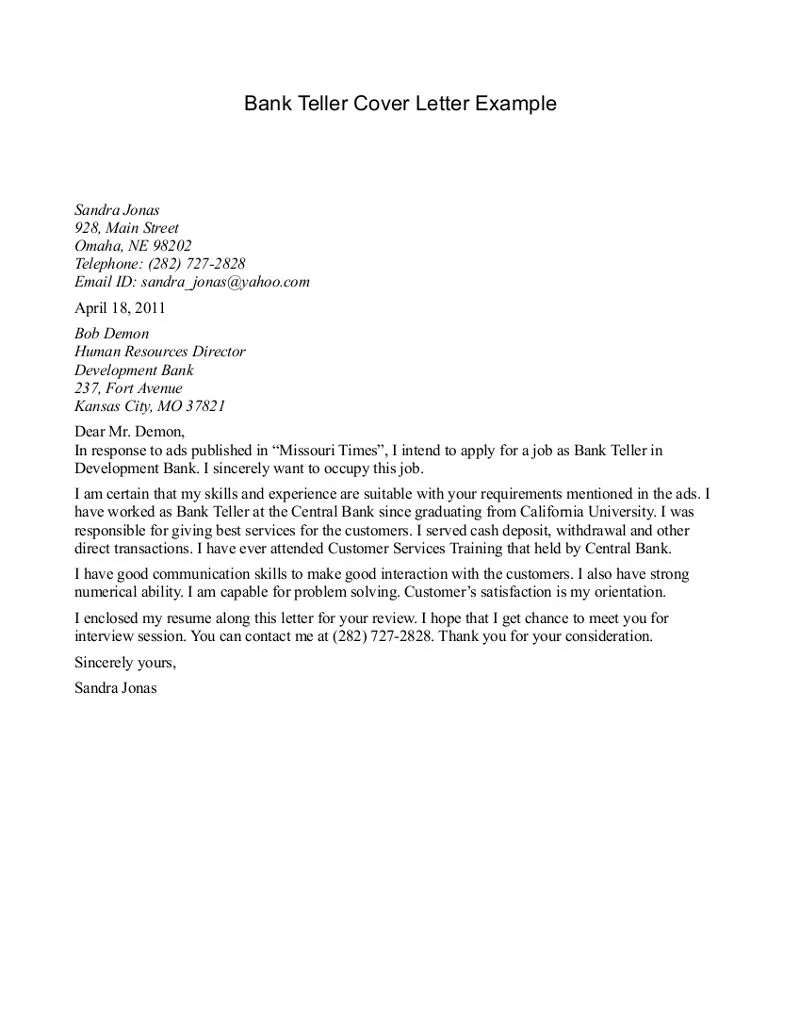
Crafting a Bank Cover Letter Introduction
The introduction of your bank cover letter is your first and often only chance to make a strong impression. It should immediately grab the reader’s attention and clearly state the purpose of your letter. This section sets the tone for the rest of your application, so it’s crucial to get it right. Start by addressing the hiring manager by name if possible, which demonstrates that you’ve taken the time to research the company and the specific role. Clearly state the position you are applying for, and briefly mention where you saw the job posting. This helps the hiring manager quickly understand the context of your application and keeps your cover letter organized and focused on the specific bank position.
Understanding the Bank Position and Its Requirements
Before you begin writing, carefully review the job description to understand the specific requirements, skills, and qualifications the bank is seeking. Identify the key responsibilities and the qualifications that the bank deems essential for the position. Make a note of the specific skills and experiences that the bank emphasizes, such as customer service, financial analysis, or sales experience. This detailed understanding will allow you to tailor your cover letter to highlight the most relevant information and demonstrate how your qualifications align with the needs of the bank and the specific job you are applying for.
Researching the Bank’s Culture and Values

Demonstrate your initiative and genuine interest in the role and the bank by researching the bank’s culture, values, and mission statement. Visit the bank’s website and social media profiles to gain insights into its corporate culture, values, and any recent achievements or initiatives. Use this information to tailor your cover letter, showing how your values align with the bank’s mission and culture. This demonstrates that you are not only interested in the job but also in becoming a part of their team. Mention specific examples of the bank’s values that resonate with you, and explain how your skills and experience would contribute to their success and align with their goals.
Highlighting Relevant Skills and Experience
The core of your cover letter should focus on demonstrating how your skills and experiences align with the requirements of the bank position. Carefully review the job description and identify the key skills and experiences the bank is looking for. Provide specific examples that showcase your ability to handle those responsibilities. Use action verbs to describe your accomplishments, and quantify your achievements whenever possible. This section provides concrete evidence of your qualifications and shows the hiring manager how you can contribute to the bank’s success. Remember to match your skills to the requirements, using the same keywords that are used in the job description, if appropriate, to ensure that your application stands out.
Quantifying Achievements with Numbers
To make your accomplishments more impactful, quantify them with numbers and data. Instead of saying ‘Improved customer satisfaction,’ state ‘Increased customer satisfaction scores by 15% within six months.’ Instead of saying ‘Managed a team,’ specify ‘Managed a team of 10 employees.’ This data provides concrete evidence of your abilities and makes your achievements more tangible. Use numbers to highlight your successes in previous roles, such as the amount of money you saved, the number of clients you acquired, or the percentage by which you increased sales. This demonstrates that you have a proven track record of success and can deliver results. When available, include specific metrics relevant to the bank position you are applying for.
Tailoring the Cover Letter to the Specific Role

A generic cover letter will not impress a hiring manager. Customize your cover letter to match the specific bank position you are applying for. Review the job description carefully and tailor your letter to highlight the skills and experiences that are most relevant. This demonstrates that you have read the job posting and understand the requirements of the role. Address the specific needs and challenges that the bank faces, and explain how your skills can contribute to their success. This level of personalization sets you apart from other applicants who may be sending out generic applications.
Showcasing Soft Skills and Personality
While technical skills are essential, banks also value soft skills and personality traits. These include communication, teamwork, problem-solving, and leadership abilities. Highlight these qualities in your cover letter by providing examples of how you have demonstrated them in the past. Banks often emphasize customer service, so be sure to showcase your ability to communicate effectively, resolve conflicts, and build relationships with clients. This also includes attention to detail and the ability to multitask. Demonstrate your personality and enthusiasm for the role and the bank by using a professional yet engaging tone. This will help you stand out and make a positive impression on the hiring manager.
Structuring Your Bank Cover Letter
The structure of your cover letter is just as important as its content. A well-organized cover letter is easy to read and understand, allowing the hiring manager to quickly grasp your qualifications and interest in the position. The standard structure for a cover letter includes an introduction, body paragraphs, and a conclusion. Maintain a professional layout with clear sections and appropriate spacing. Use concise paragraphs and bullet points to make the information easy to digest. Use a professional font like Times New Roman or Arial and keep the font size between 10 and 12 points. Keep your paragraphs concise and avoid long blocks of text that could deter the reader.
Formatting the Letter Professionally

Pay close attention to the formatting of your bank cover letter. Choose a professional font, such as Times New Roman or Arial, and use a font size between 10 and 12 points. Maintain consistent spacing throughout the letter. Use standard margins (1 inch on all sides) and left alignment. This ensures that your cover letter looks clean and professional. Use bullet points to highlight key skills and experiences. Make sure your cover letter is easy to read and visually appealing.
The Importance of a Strong Opening and Closing
The opening and closing paragraphs are crucial to the success of your cover letter. Start with a strong introduction that grabs the reader’s attention and clearly states the position you are applying for. If possible, address the hiring manager by name to demonstrate that you’ve done your research. The closing paragraph should reiterate your interest in the position and thank the hiring manager for their time and consideration. Include a call to action, such as requesting an interview or expressing your eagerness to discuss your qualifications further. This leaves a lasting positive impression.
Writing a Compelling Body Paragraphs
The body paragraphs are where you provide details about your skills, experiences, and qualifications. Use these paragraphs to showcase your value and explain why you are the best candidate for the bank position. Tailor each paragraph to address specific requirements mentioned in the job description. Provide specific examples of your accomplishments and how you have demonstrated the necessary skills. Use action verbs to describe your accomplishments and provide supporting data. Organize your thoughts clearly and logically to make your letter easy to read. Each paragraph should be focused and highlight a specific aspect of your suitability for the role.
Proofreading and Editing Your Cover Letter

Before submitting your cover letter, proofread and edit it carefully to ensure that it is free of errors. Typos, grammatical errors, and other mistakes can make you appear unprofessional and could lead to your application being rejected. Take the time to review your cover letter multiple times, and consider asking a friend or family member to proofread it as well. Use a spell checker and grammar checker, but don’t rely on them entirely. Read your cover letter out loud to catch any awkward phrasing or inconsistencies. This is a crucial step in creating a perfect cover letter for a bank position.
Checking for Grammatical Errors and Typos
Grammatical errors and typos can undermine your credibility. Carefully review your cover letter for any mistakes in grammar, spelling, and punctuation. Use a spell checker and grammar checker, but don’t rely on them entirely. Proofread your cover letter multiple times, and read it aloud to catch any errors. Consider asking a friend, family member, or career counselor to proofread your cover letter to identify any mistakes you may have missed. A polished and error-free cover letter demonstrates your attention to detail and professionalism, making it far more likely to be noticed and well-received by the hiring manager.
Ensuring a Clear and Concise Writing Style
Ensure that your writing style is clear, concise, and easy to understand. Avoid using jargon or overly complex language that could confuse the reader. Keep your sentences and paragraphs short and to the point. Use active voice and strong action verbs. Organize your thoughts logically and use headings and bullet points to make your cover letter easy to navigate. Proofread your cover letter to remove any unnecessary words or phrases. Remember, the goal is to make your letter easy to read and to quickly convey your qualifications to the hiring manager. A clear and concise writing style demonstrates your communication skills, a highly valued attribute in the banking industry.
Reviewing the Overall Tone and Professionalism

Review the overall tone and professionalism of your bank cover letter. Maintain a professional and respectful tone throughout. Avoid using informal language or slang. Ensure that your cover letter reflects your personality and enthusiasm for the role while remaining professional. Double-check your contact information and ensure it is accurate. The tone of your letter should convey confidence and enthusiasm for the position while also demonstrating respect for the hiring manager and the bank. Ensure a polished and professional final product.
Finalizing Your Bank Cover Letter
Before submitting your cover letter, take a final look to make sure it is the best it can be. Ensure you’ve addressed every aspect of the job requirements and that your application will get noticed. Double-check your contact information, and make sure your resume aligns with the cover letter. A carefully finalized cover letter increases your chances of getting an interview for your desired bank position.
Submitting Your Cover Letter with Confidence
Once you’ve reviewed your cover letter and are confident that it is free of errors and well-written, submit it with confidence. Follow the instructions provided in the job posting or on the bank’s website. If possible, send your cover letter and resume in PDF format to ensure that the formatting remains consistent across different devices and operating systems. Make sure your file names are professional and include your name and the title of the position. Then, submit your application and patiently await the response, knowing you have created a compelling and professional cover letter.
Following Up on Your Application

After submitting your application, consider following up with the hiring manager or the bank’s HR department. However, do not be overly aggressive. Send a polite email or make a brief phone call a week or two after submitting your application. Express your continued interest in the position and reiterate your qualifications. This demonstrates your enthusiasm and your proactive approach. Be sure to be polite and thank them for their time and consideration. Remember to keep your follow-up concise and professional.