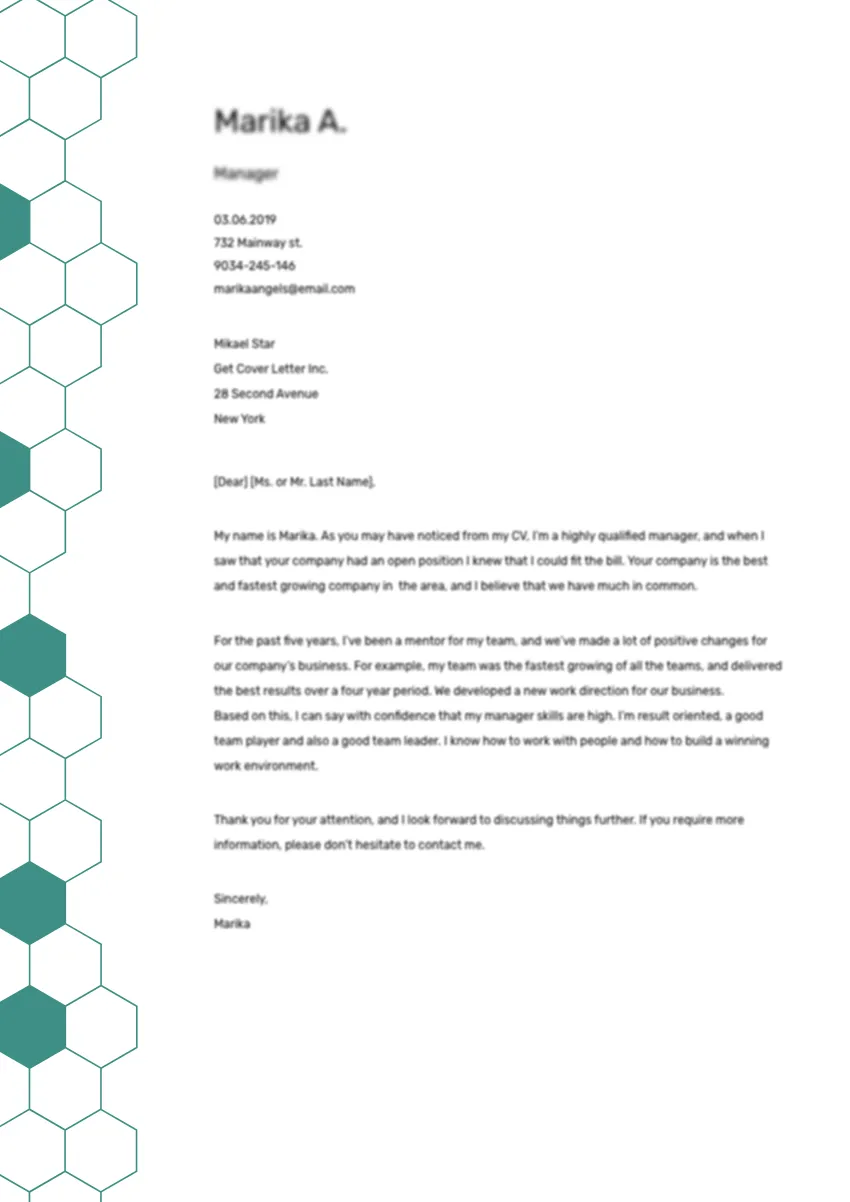
Understanding the Artist Cover Letter
An artist cover letter is your personal introduction to a potential employer, gallery, or client. It goes beyond the basic facts of your resume, offering a glimpse into your personality, passion for art, and your specific qualifications for the opportunity at hand. It’s your chance to make a strong first impression and showcase why you’re the ideal candidate. Think of it as a curated narrative accompanying your artistic portfolio, designed to persuade the recipient to learn more about your work and consider you for the role or exhibition.
Why a Cover Letter Matters for Artists
In the art world, a cover letter can be the deciding factor in whether your application gets a second look. While your portfolio showcases your artistic abilities, the cover letter contextualizes your work, demonstrates your communication skills, and reveals your understanding of the opportunity. It provides a space to explain your artistic vision, career goals, and how your work aligns with the gallery’s aesthetic or the organization’s mission. A well-crafted cover letter demonstrates professionalism, enthusiasm, and a genuine interest in the specific opportunity.
Essential Components of an Artist Cover Letter

A compelling artist cover letter includes several key components that work together to create a strong impression. These elements are crucial in showcasing your skills, experience, and personality in a clear and concise manner. Neglecting any of these elements might weaken your overall application. Make sure to check for all elements when writing your cover letter to increase your chances of acceptance.
Your Contact Information & Date
Begin with your contact information (name, address, phone number, email) and the date. This allows the recipient to easily contact you. Ensure your email address is professional and your phone number is current. Place this information at the top of the letter, either left-aligned or in a header format. Double-check the accuracy of these details; a typo here can lead to missed opportunities.
Addressing the Recipient Correctly
Always address your cover letter to a specific person whenever possible. Research the gallery, organization, or potential employer to find the name of the hiring manager or the person responsible for reviewing applications. Using a specific name shows you’ve taken the time to learn about the opportunity and demonstrates a level of professional courtesy. Avoid generic greetings like ‘To Whom It May Concern’ or ‘Dear Sir/Madam,’ which can make your application feel impersonal.
The Opening Paragraph Grab Attention

The opening paragraph is your opportunity to grab the reader’s attention. State the specific position or opportunity you are applying for and briefly explain how you learned about it. Then, immediately convey your enthusiasm and why you are a strong candidate. Consider including a brief, compelling statement about your artistic vision or a notable achievement that aligns with the opportunity. This opening paragraph is essential for setting the tone for your entire letter.
Highlighting Your Artistic Skills & Experience
In the body of your letter, showcase your artistic skills and relevant experience. Describe your art, techniques, and any formal training you have received. Mention specific exhibitions, awards, or projects that demonstrate your abilities and experience. Emphasize skills that align with the requirements of the role or the gallery’s focus. Quantify your achievements whenever possible; for example, mention the number of pieces sold, the attendance at your exhibitions, or any positive feedback you received.
Showcasing Your Artistic Achievements
Go into more detail about your key achievements in the field. Include any significant awards or recognitions you have received for your art, such as winning competitions, securing grants, or being selected for prestigious exhibitions. Mention any positive reviews or critical acclaim your work has received in publications or from respected figures in the art world. These achievements provide concrete evidence of your talent and can significantly strengthen your application.
Mentioning Specific Projects & Exhibitions

If you have worked on any notable projects or participated in relevant exhibitions, highlight them. Explain the scope of the project, your role, and the outcomes. For exhibitions, mention the gallery, the dates, and the number of visitors, if available. This demonstrates your ability to create, collaborate, and promote your work within the art community. Provide a link to your online portfolio or website so the recipient can easily view your work.
Emphasizing Your Passion & Enthusiasm
Art is driven by passion, so infuse your letter with genuine enthusiasm. Express your excitement about the opportunity and explain why you are interested in working with this specific gallery or organization. Show that you have researched their mission, values, and the type of art they promote. Demonstrate that you are not just looking for a job, but that you are genuinely excited about being part of their team or exhibiting your work with them.
Tailoring Your Letter to Each Opportunity
Avoid sending a generic cover letter. Tailor each letter to the specific opportunity you are applying for. Highlight the skills, experiences, and achievements most relevant to the requirements of the role or the gallery’s focus. Show the recipient that you understand their needs and that you have taken the time to understand their organization. This personalization is crucial for making a strong impression and increasing your chances of being selected.
Researching the Gallery or Organization

Before writing your cover letter, thoroughly research the gallery, organization, or potential employer. Visit their website, review their social media profiles, and, if possible, visit their space to get a feel for their aesthetic. Understand their mission, values, and the type of art they promote. Demonstrate your knowledge of the organization by mentioning specific artists they represent, past exhibitions, or their community involvement in your letter. This will show that you have a genuine interest in working with them.
Using Relevant Keywords & Phrases
Include keywords and phrases relevant to the job description or the gallery’s focus. This not only helps the recipient quickly understand your qualifications but also helps if the application is being processed by an Applicant Tracking System (ATS). Integrate terms from the job description naturally into your cover letter. These keywords can relate to specific art techniques, styles, software, or organizational skills. Use them thoughtfully and avoid keyword stuffing, which can detract from the letter’s flow.
Proofreading & Editing Your Cover Letter
Proofread and edit your cover letter meticulously before submitting it. Check for spelling, grammar, and punctuation errors, as these mistakes can damage your credibility. Have someone else review your letter to catch any errors you might have missed. Ensure that the tone is professional, the language is clear and concise, and the content flows logically. A polished cover letter demonstrates attention to detail and commitment to quality.
Formatting Your Cover Letter for Readability

Ensure your cover letter is easy to read. Use clear and concise language. Keep paragraphs relatively short. Avoid overly complex sentence structures that might confuse the reader. Proper formatting is crucial for making a positive impression. A well-formatted letter shows respect for the reader’s time and demonstrates attention to detail.
Proper Font & Font Size
Choose a professional and easy-to-read font such as Times New Roman, Arial, or Calibri. Use a font size between 10 and 12 points. Make sure the font is consistent throughout the document. Avoid using unusual or overly decorative fonts, as they can be distracting and make the letter difficult to read. Maintain consistency throughout the entire document, including headers, body text, and closing.
Line Spacing & Margins
Use single or 1.15 line spacing for the body of your cover letter. Use standard 1-inch margins on all sides of the document. Proper spacing and margins make the text more readable and give the letter a clean, professional look. Ensure there is adequate space between paragraphs to visually separate ideas. This will help the reader navigate the information more easily and create a visually appealing document.
Including a Call to Action

Conclude your cover letter with a clear call to action. Indicate your interest in an interview or a follow-up conversation. Make it easy for the recipient to respond to your application. Suggest a specific next step, such as inviting them to view your portfolio or arranging a phone call to discuss your qualifications further. This shows your proactive approach and makes it easier for the recipient to move forward.
Expressing Gratitude & Closing
Express your gratitude to the recipient for their time and consideration. Use a professional closing, such as ‘Sincerely,’ ‘Best regards,’ or ‘Thank you,’ followed by your typed name. This polite closing leaves a positive impression. Ensure you have included your contact information to follow up.
Common Mistakes to Avoid
There are several common mistakes artists make when writing cover letters. The first is to send a generic cover letter, as this shows a lack of interest and personalization. Grammatical errors and typos can also diminish credibility. Being overly self-promotional or using a tone that is not professional can also be a turn-off. Not tailoring the letter to the specific opportunity and failing to highlight relevant skills will make the letter less impactful. Finally, not including a call to action or providing easy ways to contact you will reduce your chances.
Sending the Cover Letter
When sending your cover letter, follow the specific instructions provided by the gallery, organization, or potential employer. If the instructions indicate a preference for a particular file format (e.g., PDF), adhere to those guidelines. If the application is submitted online, ensure your cover letter and portfolio are formatted correctly and are easily accessible. Proofread again before sending, and double-check the recipient’s email address.
Following Up After Submission
Following up after submitting your cover letter and portfolio is a good practice. After a reasonable timeframe (typically a week or two), send a polite email to the recipient to inquire about the status of your application. Express your continued interest in the opportunity and reiterate your enthusiasm. Keep the follow-up email brief and professional. This shows your dedication and can remind the recipient of your application. However, avoid excessive follow-up, as it can be seen as overbearing.