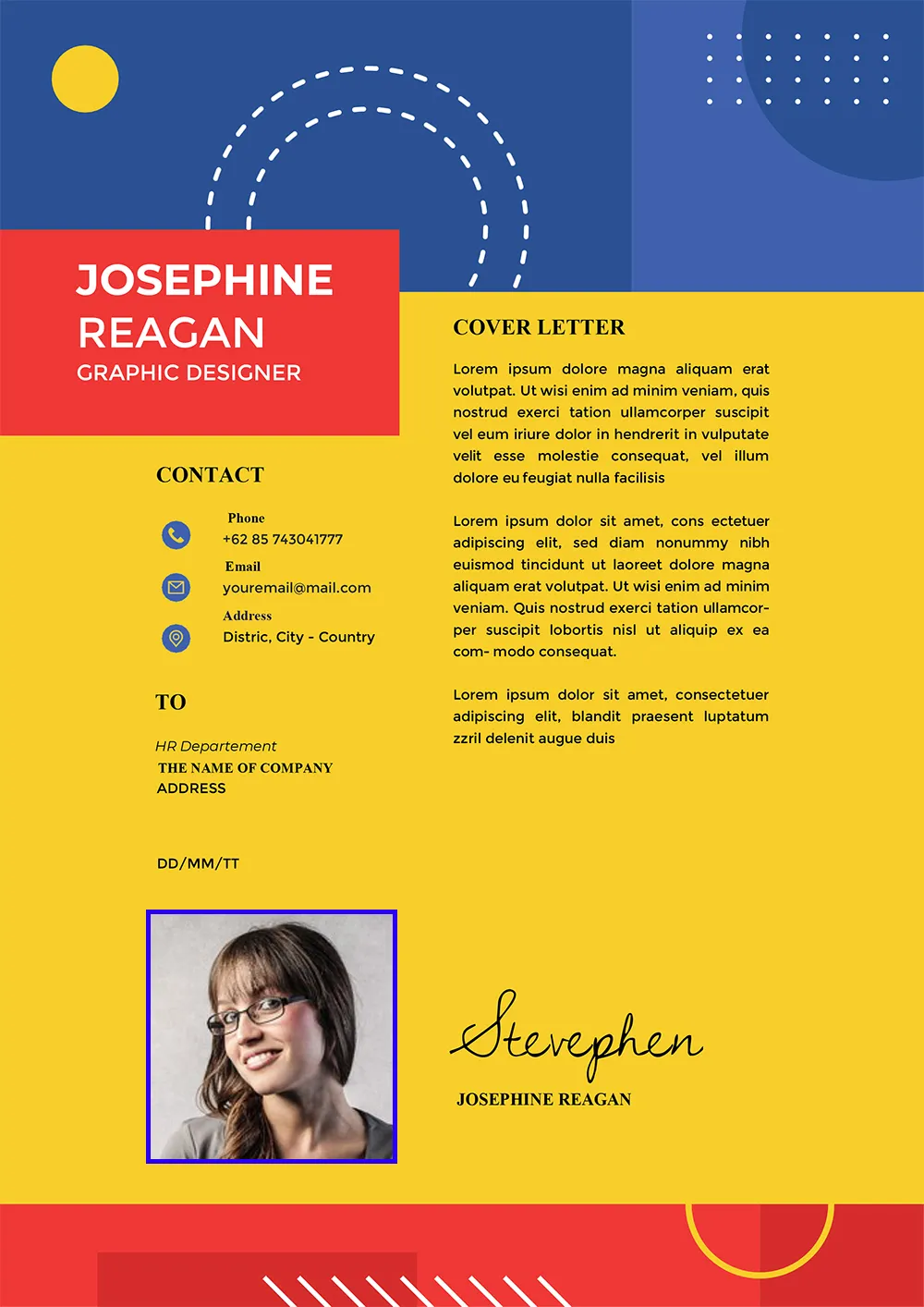
What is an American Cover Letter
An American cover letter is a crucial document accompanying your resume when applying for jobs in the United States. It serves as a personalized introduction to the hiring manager, allowing you to highlight your qualifications, skills, and enthusiasm for the specific position. Unlike a resume, which provides a concise overview of your experience, the cover letter gives you the opportunity to elaborate on your accomplishments and demonstrate how your background aligns with the company’s needs and the job’s requirements. The cover letter is not just a formality, it’s a tool to differentiate yourself from other candidates and make a compelling case for why you are the best fit for the job. A well-written cover letter can significantly increase your chances of getting an interview and ultimately landing your dream job. Therefore, it is essential to dedicate time and effort to craft a cover letter that truly represents your professional capabilities.
Purpose of an American Cover Letter
The primary purpose of an American cover letter is to introduce yourself to the employer and express your interest in a specific job opportunity. It allows you to demonstrate your understanding of the company’s needs and explain how your skills and experience align with the job requirements. The cover letter is also your chance to showcase your personality, writing skills, and communication style, which are essential for many roles. Furthermore, it enables you to provide context for your resume, elaborating on specific achievements and quantifying your contributions whenever possible. A strong cover letter can set the stage for a positive first impression, making the hiring manager more likely to consider your application seriously. Ultimately, the goal is to persuade the employer to invite you for an interview, where you can further discuss your qualifications and demonstrate your suitability for the role. Always tailor your cover letter to each job application and the specific company, showing genuine interest and a clear understanding of the position’s demands.
Key Components of an American Cover Letter

Contact Information
Begin your American cover letter with your contact information, typically located at the top of the page. This should include your full name, address, phone number, and email address. Make sure the email address is professional and appropriate for job applications. The contact information section allows the hiring manager to easily reach you if they are interested in scheduling an interview or have any questions. Ensure that all the information is current and accurate to avoid any communication issues. Consider placing this information either flush left or centered, depending on your formatting preferences. This ensures that your contact information is readily available and easy to find. Consistency in formatting is vital throughout the document, so maintain the same style for all sections.
Date
Following your contact information, include the date on which you are sending the cover letter. This is usually placed directly below your contact details, either aligned with the left or right margin. The date helps the employer know when you applied for the position and allows them to track the application’s submission time. Ensure the date format is clear and follows a standard convention, such as month/day/year or day/month/year, depending on the country. Consistency in formatting helps maintain a professional appearance and ensures that all the necessary information is readily available. The date is essential for record-keeping and allows for the organization of application materials.
Recipient’s Information

Next, include the recipient’s information, which consists of the hiring manager’s name, title, and the company’s address. This is usually placed below the date, on the left-hand side of the page. Whenever possible, address the cover letter to a specific person. This shows that you have done your research and are taking a personalized approach. If you cannot find the name of the hiring manager, use a general salutation like ‘Dear Hiring Manager’ or ‘Dear [Department Name] Team.’ Providing the recipient’s information demonstrates attention to detail and respect for the person you are addressing. Accuracy here is also crucial, so double-check the name and title to avoid any errors that could negatively impact your application. The goal is to make a strong positive impression from the start.
Salutation
The salutation is the greeting at the beginning of your cover letter. Use ‘Dear Mr./Ms./Mx. [Last Name]’ if you know the hiring manager’s name. If you’re unsure of the name, opt for a professional greeting such as ‘Dear Hiring Manager’ or ‘Dear [Department Name] Team.’ Avoid overly casual salutations like ‘Hi’ or ‘Hello,’ as they might appear unprofessional. Always capitalize the first word of your salutation and follow it with a colon. The salutation sets the tone for the rest of the letter. A professional and respectful salutation immediately signals that you take the application process seriously and have put effort into customizing the letter for the specific opportunity. It establishes a respectful tone from the outset, setting a positive foundation for the rest of the cover letter.
Body Paragraphs
First Paragraph

The first paragraph of your American cover letter should clearly state the position you are applying for and how you learned about the job opportunity. Mention the specific job title and where you saw the job posting (e.g., company website, LinkedIn, job board). Then, briefly state your interest in the role and the company, expressing enthusiasm and excitement. This paragraph should be concise and grab the reader’s attention from the start. It should also demonstrate that you are familiar with the company and its values. Avoid generic openings and instead focus on what specifically interests you about the role and the organization. The first paragraph sets the tone for the rest of your letter, creating a strong first impression. This opening should be compelling and make the hiring manager want to read further.
Second Paragraph
The second paragraph is the heart of your cover letter, where you highlight your key qualifications and skills that align with the job requirements. This is your opportunity to showcase your relevant experience and demonstrate how your background makes you a strong candidate. Choose 2-3 key skills and accomplishments that directly match the job description, providing specific examples to support your claims. Quantify your achievements whenever possible, using numbers and data to illustrate your impact. For example, state how you increased sales by a certain percentage or how you managed a specific budget size. Tailor this paragraph to each job application, ensuring that the skills and experiences you highlight are relevant to the specific role and company. Use strong action verbs to make your descriptions more dynamic and engaging.
Third Paragraph
The third paragraph should further elaborate on your interest in the company and the position. Here, you can explain why you are a good fit for the company culture and what you hope to achieve if hired. Discuss how your skills and experience align with the company’s mission and goals. This is also a good place to mention anything specific that interests you about the company or the team you would be working with. Consider adding a brief statement about your career aspirations and how the role fits into your long-term goals. This shows the hiring manager that you are serious about the opportunity and are invested in the company’s success. Show genuine enthusiasm and interest; this section is where you can really demonstrate that you are a great match for the role and the company.
Closing

Your closing should reiterate your interest in the position and thank the hiring manager for their time and consideration. Include a call to action, such as requesting an interview, and state how you can be reached (if not already mentioned). Keep the closing concise and professional, conveying your eagerness to move forward in the hiring process. End the letter with a formal closing such as ‘Sincerely,’ or ‘Best regards,’ followed by your typed name. Ensure that your contact information is included again, either at the end of the letter or in your signature. The closing paragraph provides a final opportunity to leave a positive impression and makes it easy for the hiring manager to take the next step. Express your enthusiasm for the opportunity and your willingness to discuss your qualifications further.
Formatting and Style Tips for American Cover Letters
Font and Font Size
Choose a professional and readable font for your American cover letter. Common and recommended fonts include Times New Roman, Arial, Calibri, and Helvetica. Maintain a consistent font throughout the entire document. Avoid using overly ornate or unconventional fonts, as they can distract the reader and make your letter harder to read. The font size should be between 10 and 12 points. Use a font size that is easily readable without being too large or too small. Consistency in font size enhances the overall professionalism of your cover letter. These formatting choices help the hiring manager easily read and focus on the content of your application. Select a font that is easily readable and reflects your professional approach.
Margins and Spacing

Use standard margins of 1 inch on all sides of your American cover letter. This ensures that the document looks clean and well-organized, providing enough white space to enhance readability. Use single-spacing within paragraphs and double-spacing between paragraphs. This creates visual clarity and makes your letter easy to navigate. Proper spacing prevents the letter from appearing cluttered and helps the reader to quickly grasp the information. Consistent margins and spacing are essential to make your cover letter visually appealing and professional. This makes your letter inviting to read, improving the chances that the hiring manager will take the time to read the whole document and consider your application.
Proofreading and Editing
Thoroughly proofread and edit your American cover letter before submitting it. Errors in grammar, spelling, and punctuation can create a negative impression and make you appear unprofessional. Check for clarity, conciseness, and a logical flow of ideas. Read your cover letter aloud to catch any awkward phrasing or sentences that don’t read smoothly. Consider having a friend, family member, or career counselor review your letter for feedback. Proofreading ensures that your cover letter is free from errors and showcases your attention to detail. This process can significantly increase your chances of making a positive impression. Make sure that all of the information is accurate and presented in a way that showcases your strengths and qualifications. Proofreading can be the difference between getting an interview and your application being overlooked.
Examples of American Cover Letters
Cover Letter for Entry-Level Jobs
An entry-level cover letter should focus on showcasing relevant skills, academic achievements, and any internships or volunteer experiences. Highlight any transferable skills that you have, such as communication, teamwork, and problem-solving abilities. Demonstrate your enthusiasm for the position and the company, emphasizing your willingness to learn and grow. If you have limited work experience, focus on your academic projects, extracurricular activities, and any leadership roles you’ve held. Tailor the letter to the specific job requirements, showcasing how your skills and experiences align with the role. Show your eagerness to start your career and your potential for future growth within the company. Be specific in your examples and show how your experiences align with the job description.
Cover Letter for Mid-Career Professionals
A mid-career cover letter should highlight your professional experience, accomplishments, and career progression. Emphasize your most significant achievements and quantify your results whenever possible. Showcase your leadership skills, project management experience, and any other relevant skills to the role. Tailor your letter to the specific requirements of the job, demonstrating how your experience aligns with the company’s needs. Mention any awards, certifications, or professional development that you have undertaken. This letter should showcase your career trajectory and highlight the value you would bring to the new role. Focus on the impact you’ve made in previous roles, demonstrating how your expertise and abilities make you a valuable asset to the organization.
Cover Letter for Senior Roles
A senior-level cover letter should emphasize your strategic leadership, management experience, and proven track record of success. Highlight your achievements in driving business results, managing large teams, and implementing successful strategies. Show your understanding of the company’s industry, its challenges, and how you can contribute to its growth. Provide specific examples of how you have successfully led teams, improved processes, and achieved company goals. Showcase your expertise and the impact you have made throughout your career. Tailor your letter to reflect your depth of experience, focusing on your ability to drive strategic initiatives and contribute to the organization’s success at a high level. Emphasize your understanding of the business landscape and your ability to navigate complex challenges.
Common Mistakes to Avoid in American Cover Letters
Typos and Grammatical Errors
Avoid making typos and grammatical errors, as they can significantly damage your credibility. Always proofread your cover letter multiple times and consider using spell-check and grammar-check tools. Ensure the correct spelling of the recipient’s name, company name, and job title. Errors demonstrate a lack of attention to detail and can lead to your application being immediately rejected. Take the time to carefully review every aspect of your cover letter, from the formatting to the content. Proofreading is crucial for maintaining a professional image and ensuring that your message is clear and easy to understand. Double-check all the details, including names, titles, and dates, as any mistakes can be easily spotted and hurt your chances.
Generic Content
Avoid using generic cover letters that are not tailored to the specific job and company. Customize your cover letter to demonstrate your understanding of the job requirements and the company’s values. Highlight how your skills and experience align with the specific role, and avoid using boilerplate phrases. Personalize your letter by addressing the hiring manager by name and expressing genuine interest in the company. Generic cover letters show a lack of effort and can make it seem like you are not truly interested in the opportunity. Take the time to research the company and the position, and use this information to create a compelling and unique cover letter. Tailoring your letter demonstrates your genuine interest and understanding of the role.
Overly Informal Language
Refrain from using overly informal language, slang, or emojis in your cover letter. Maintain a professional tone throughout the document, using formal language and avoiding casual expressions. Use proper grammar and punctuation, and ensure that your writing style is clear and concise. Your cover letter is a professional document and should reflect your professionalism and attention to detail. Avoid using contractions or abbreviations and maintain a formal writing style throughout your letter. Keep the language professional and polished, to show the hiring manager that you are serious about the opportunity and able to communicate effectively in a professional setting.
Conclusion
Writing an effective American cover letter is an essential part of the job application process. By following these guidelines and avoiding common mistakes, you can create a cover letter that effectively showcases your skills and experience. Always tailor your letter to each job opportunity, demonstrate your understanding of the company, and maintain a professional tone throughout. Your cover letter is your chance to make a strong first impression and highlight your qualifications. Always proofread your cover letter and make sure it is free from errors. Remember to include all the essential components and to present your information in a clear, concise, and compelling way. With careful planning and attention to detail, you can create a cover letter that helps you get noticed and land your dream job. Always present yourself as the best candidate for the role!